Characters of a Pirate and a Poor Kid
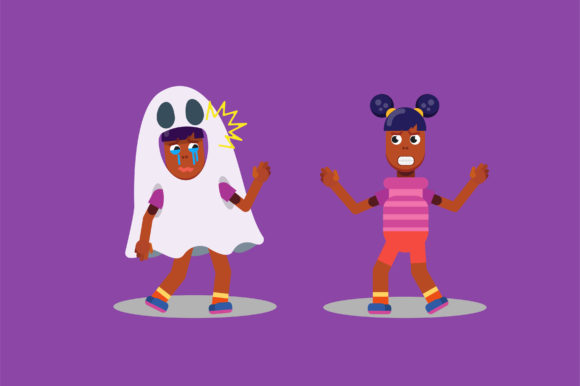
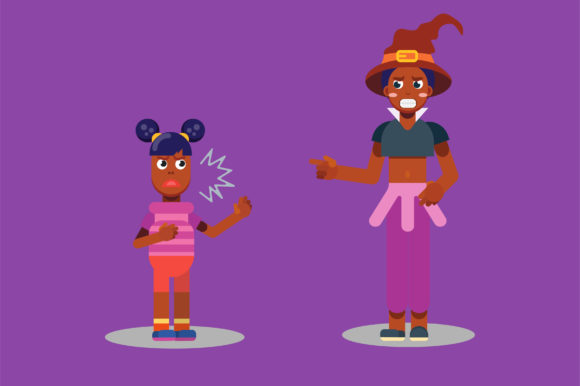
When I first opened the file for Characters of a Pirate and a Poor Kid, I wasn't just looking at pixels; I was already imagining the needle movement. As someone who spends hours translating vector graphics into tangible thread, my first instinct is always to assess the mood and the stitchability. This piece carries a distinct emotional weight—a "sad Halloween" vibe that stands out in a market often cluttered with generic grins and spooky clichés. It feels less like a standard clip art graphic and more like a story waiting to be told on fabric.
The illustration itself is described as colorful and easy to edit, which is a promise that requires careful validation when moving from screen to hoop. The visual personality here is key: it's not aggressive or scary, but rather whimsical and slightly melancholic. For an embroidery designer, this distinction matters immensely. A design with such specific emotional resonance works best when the stitching enhances that feeling rather than flattening it into a cartoonish logo. It naturally belongs on projects that prioritize storytelling over bold branding, making it an excellent candidate for custom apparel, heartfelt gifts, or boutique items where uniqueness is the selling point.
From Screen to Stitch: A Real-World Scenario
Let's talk about a practical application. Imagine you are preparing a collection for a local craft fair or updating your Etsy shop for the autumn season. You decide to create a limited run of embroidered tote bags featuring Characters of a Pirate and a Poor Kid. The goal is to sell these as unique holiday gifts or accessories for parents who want something different for their children.
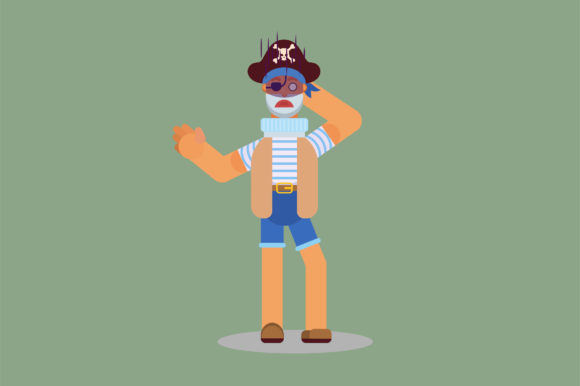
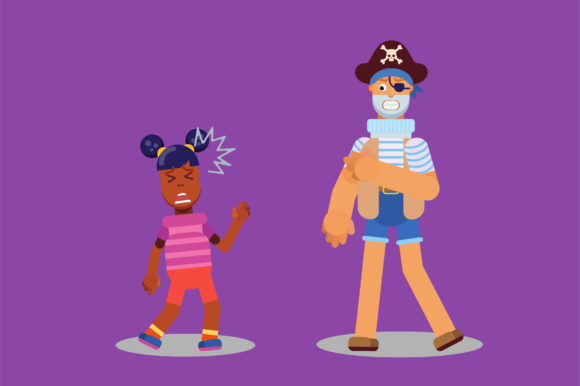
In this scenario, the design's layout becomes critical. Because the characters are likely positioned closely together to convey their relationship, you need to ensure the spacing allows the thread to breathe. If the original vector illustration has fine lines connecting the pirate and the kid, those details might get lost if the stitch density is too high. I would recommend testing this design on a scrap piece of canvas or denim first. You need to see how the satin stitches handle the curves of the pirate's hat and whether the fill stitches can adequately cover the "poor kid's" clothing without creating a stiff, cardboard-like texture.
If executed well, this design transforms a simple tote bag into a conversation starter. Customers aren't just buying a bag; they are buying the narrative of the two characters. The emotional connection drives the perceived value of the finished product, allowing you to price your handmade goods higher than mass-produced alternatives. However, if the detail is too intricate for the chosen fabric, the result could look muddy, hurting customer trust and brand consistency.
Where This Design Shines
This particular set of illustrations fits seamlessly into several categories of handmade products. Its versatility makes it a strong asset for small business owners looking to diversify their inventory. Here is where Characters of a Pirate and a Poor Kid truly excels:
- Holiday Embroidery Projects: The sad Halloween theme offers a fresh take on seasonal decor. It works beautifully on pillow covers or kitchen towels, adding a touch of character to home accents without being overly festive.
- Baby Embroidery: The gentle, storybook nature of the characters makes them suitable for baby clothes or nursery decor. Just ensure the colors are soft enough to appeal to parents looking for gender-neutral or calming designs.
- Custom Apparel: Sweatshirt embroidery or t-shirt placements benefit from the colorful vector style. The design can serve as a focal point on the chest or a playful accent on the sleeve.
- Embroidered Patches: If the file supports applique techniques, this could be a standout patch for jackets or caps. The distinct outlines of the characters allow for clean edges when cut out and stabilized.
- Digital Product Sellers: For those selling printable mockups or digital assets, this illustration provides a ready-made example of how a graphic can be adapted for physical goods.
The ability to use this as a sticker design also adds another layer of utility. You can create a hybrid product line where the digital file serves as a sticker, while the machine embroidery version serves as a premium upgrade for customers willing to pay more for a textile application.
Pitfalls and Practical Considerations
While the potential is high, there are areas where caution is required. Not every embroidery file translates perfectly to every surface. When working with Characters of a Pirate and a Poor Kid, you must be mindful of the following constraints:
- Small Hoop Sizes: If you plan to embroider this on a cap or a small pocket, check the dimensions carefully. Tiny lettering or detailed corners within the illustration may become illegible or distorted in a small hoop. Always test the scale before committing to a full production run.
- Fabric Texture and Type: Textured fabrics like heavy corduroy or stretchy knits can distort the image. On thin fabric, the stabilizer might show through, ruining the clean look of the vector illustration. Dark fabrics require a specific approach to thread contrast; you may need to add a backing layer or adjust the thread colors to ensure the design pops.
- Dense Stitch Areas: If the design includes large blocks of color, excessive stitch density can make the fabric stiff and uncomfortable, especially on baby clothes or aprons. Review the stitch density settings in your digitizing software and consider using a running stitch for background elements to reduce bulk.
- Curved Surfaces: Embroidering on curved surfaces like hats or rounded pillow corners requires precise placement. The perspective of the characters might shift if the garment shape isn't accounted for during the design setup.
Professional Designer Notes for Success
To ensure your finished product meets professional standards, follow these essential steps before starting any commercial embroidery project. These practices protect your reputation and ensure customer satisfaction.
First, test the design on scrap fabric using the exact materials you intend to sell. This reveals issues with thread tension, puckering, or color blending that aren't visible on a computer screen. Second, check thread color contrast against your chosen fabric. A colorful vector illustration might lose its vibrancy if the thread colors clash with the background material.
Third, review stitch density and confirm the hoop size matches your intended product. If the design requires a larger hoop than your machine can accommodate, you may need to split the design or resize it, which can affect the final quality. Fourth, inspect small details closely. In a complex illustration like this, tiny lines might disappear or merge if the resolution is too low or the stitch count is insufficient.
Additionally, test it in black and white mockups to see how the design holds up under different lighting conditions or when printed on promotional materials. Compare light and dark fabric backgrounds to ensure the design remains versatile across your product line. Using the proper stabilizer is non-negotiable; it prevents the fabric from distorting and ensures the satin stitch and fill stitch lay flat.
Finally, confirm licensing before selling finished items or digital products. Even though the description mentions it is an "easy to edit vect," you must verify whether the license permits commercial use for merchandise. If you are an Etsy seller or running a craft business, understanding the terms of use is crucial to avoid legal issues.
In conclusion, Characters of a Pirate and a Poor Kid offers a compelling blend of emotion and visual interest that can elevate a standard embroidery project. By approaching it with a critical eye and adhering to best practices in machine embroidery design, you can create high-quality, personalized gifts and custom apparel that resonate with buyers. Whether you are decorating a tote bag, a sweatshirt, or a baby item, this design has the potential to become a signature piece in your portfolio, provided you respect the nuances of the medium and the needs of your customers.