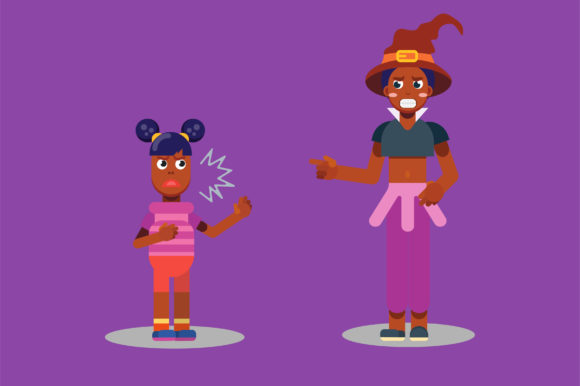
Characters of the Witch is Arguing: A Designer's Real-World Review
I have spent years reviewing machine embroidery design files, testing them on everything from delicate baby onesies to heavy-duty work aprons. Most digital products look perfect in a screenshot but fall apart under the needle. That is why I decided to put Characters of the Witch is Arguing through a rigorous evaluation before adding it to my own project queue. This isn't just another vector illustration; it is a specific asset with a distinct mood that requires careful consideration for real-world application.
The First Impression: Mood and Visual Personality
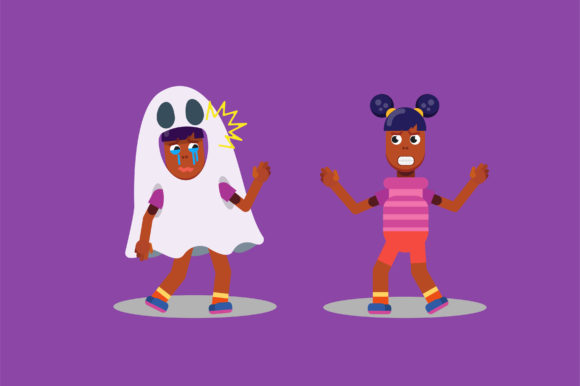
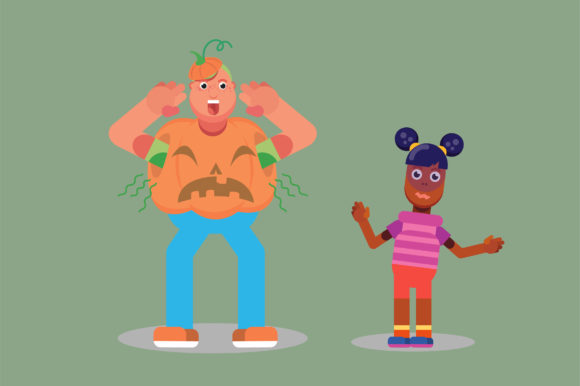
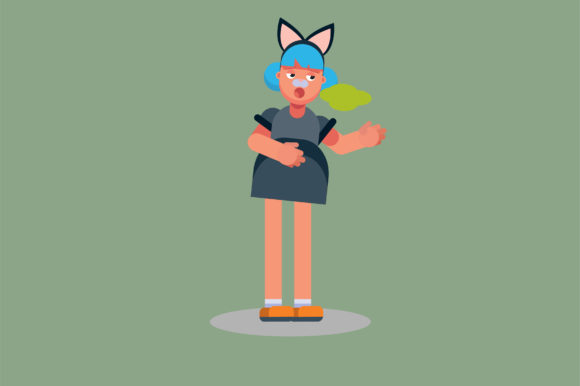
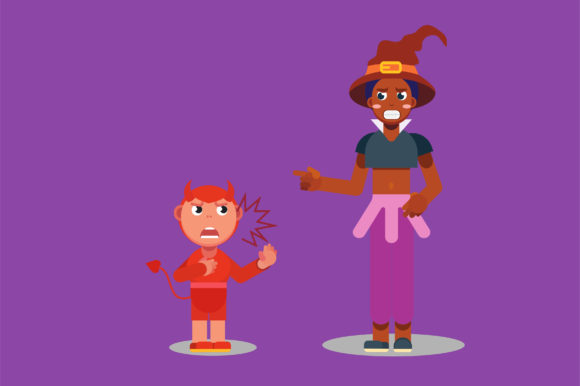
When you first open the file for Characters of the Witch is Arguing, the immediate takeaway is the emotional weight of the piece. The description mentions a "sad Halloween" theme, which sets a unique tone compared to the typical cheerful jack-o'-lanterns or spooky skeletons flooding the market. As a designer, I am always looking for designs that tell a story, and this one offers a narrative of conflict or disagreement between characters.
The layout appears to be a colorful vector illustration, which suggests high adaptability. However, the transition from a flat graphic to a stitched texture is where the magic happens—or where the failure occurs. The concept of an argument implies dynamic movement and facial expressions. For an embroidery project to succeed, these details must hold up when converted into stitches. The visual personality here is playful yet slightly melancholic, making it ideal for niche markets rather than mass-produced generic items. It feels like a piece that would resonate deeply with customers who appreciate storytelling in their accessories.
A Real-Life Scenario: The Boutique Tote Bag Project
Let's imagine a practical scenario. I am preparing for a holiday craft fair and need a standout product for my small shop. I decide to create a custom embroidered tote bag featuring Characters of the Witch is Arguing. My goal is to sell these as unique gifts for people who love quirky, character-driven art.
First, I consider the placement. On a canvas tote bag, the design needs to be large enough to show the interaction between the characters but not so large that it overwhelms the fabric. The colorful nature of the vector means I can select thread colors that pop against a dark navy or black background. If I stitch this using a satin stitch for the outlines and fill stitches for the bodies, the "arguing" expressions should come alive. The potential customer reaction would likely be positive because the design feels personal and handcrafted, elevating a simple tote into a conversation starter.
This approach works well for Etsy sellers looking to differentiate their listings. Instead of a generic pumpkin, a listing for a bag with this specific scene stands out. It transforms a standard embroidery project into a bespoke item that justifies a higher price point. The design fits perfectly into categories like handmade products, personalized gifts, and boutique branding.
Performance Across Different Textiles and Products
While the tote bag is a strong candidate, Characters of the Witch is Arguing has versatility that extends to other mediums. For instance, applying this to a sweatshirt creates a cozy, statement piece. The larger surface area allows the detail level of the vector to shine without feeling cramped. Similarly, on a pillow cover, the design adds a touch of whimsical drama to a living space.
However, not every application is equally successful. When considering custom apparel like t-shirts, the stretch of the fabric becomes a factor. If the design includes fine lines representing dialogue bubbles or intricate facial features, the tension of the knit fabric might distort the image over time. For baby embroidery, such as on a bib or blanket, the "arguing" theme might be too intense for some parents, though it could appeal to those seeking non-traditional nursery decor. In these cases, the softness of the threads and the density of the stitching are critical to ensure the item remains comfortable against sensitive skin.
The design also shines as an embroidered patch. The clear separation of characters makes it suitable for iron-on or sew-on patches that can be added to denim jackets or hats. For kitchen towels or tea towels, the colorful vector nature ensures the design remains vibrant even after multiple washes, provided the correct stabilizer is used.
Where to Exercise Caution
Even a strong design has limitations. There are specific scenarios where Characters of the Witch is Arguing might struggle if not handled correctly. Small hoop sizes are a primary concern. If the design contains detailed corners or tiny lettering, shrinking it down for a 4x4 inch hoop could result in a muddy mess. The individual stitches may merge, losing the clarity of the characters' expressions.
Textured fabrics present another challenge. If you attempt to stitch this on a heavily textured fleece or a loose-weave linen, the stabilizer may not provide enough support, leading to puckering. Thin or stretchy fabrics require extra care; without a cut-away stabilizer, the weight of the thread could cause the fabric to gather unevenly. Dark fabrics are generally safe due to the colorful nature of the vector, but you must ensure your thread selection provides enough contrast so the details don't get lost in the shadows.
Furthermore, products that require frequent washing, like aprons or work clothes, demand high durability. Dense stitch areas can trap lint or moisture if not properly finished. Curved surfaces, such as caps, are tricky; the design must be digitized specifically for the curvature to avoid distortion at the edges. If the original file is a flat vector, you will need to adjust the digitization settings to accommodate the curve of the hat.
Practical Notes for the Embroidery Designer
Before committing to a full production run, there are essential steps every professional should take. First, test the design on scrap fabric. This is non-negotiable. You need to see how the stitch density behaves and whether the thread colors interact as expected once stitched. Check the stability of the running stitch areas and ensure the satin stitch transitions are smooth.
Review the hoop size requirements carefully. If the design exceeds your machine's capabilities, you may need to split the file, which can affect the final alignment. Inspect small details closely; sometimes what looks like a line in a vector becomes a solid blob in embroidery. Test the design in black and white mockups to verify that the value contrast holds up, ensuring the characters are distinguishable regardless of color.
Always confirm the licensing terms before selling finished items. Some digital embroidery files allow commercial use, while others restrict it to personal projects. Verify whether you can sell the finished product or if you are limited to the digital assets themselves. Using proper stabilizer is crucial for maintaining the shape of the design, especially for complex illustrations like this one.
Final Verdict on Visual Appeal and Value
Characters of the Witch is Arguing brings a fresh perspective to the crowded Halloween market. Its ability to convey emotion and narrative makes it a valuable asset for creative entrepreneurs and Etsy sellers looking to build a loyal customer base. When executed correctly, it enhances brand consistency and elevates the perceived value of any handmade product.
The design fosters customer trust by showing attention to detail and artistic intent. It moves beyond simple decoration to become a piece of wearable art. Whether you are creating holiday embroidery collections, commercial embroidery for local businesses, or personalized gifts for friends, this file offers a unique opportunity to stand out. Just remember to respect the technical limitations of embroidery, test thoroughly, and let the story of the arguing witches shine through in your finished work.