A Character a Confused Pirate: A Real-World Embroidery Review
When I first opened the file for A Character a Confused Pirate, I didn't just see a vector illustration; I saw a potential bestseller for my next holiday collection. As someone who has spent years turning digital graphics into tangible, stitched goods, I know that the jump from screen to fabric is where most designs either shine or fail. This piece falls squarely into the category of Halloween Characters Vector Illustration, but its true value lies in how it translates to a physical product. The prompt describes it as a colorful vector with a character illustration that can serve as a sticker, but for us embroidery designers, the question is always: will this stitch well?
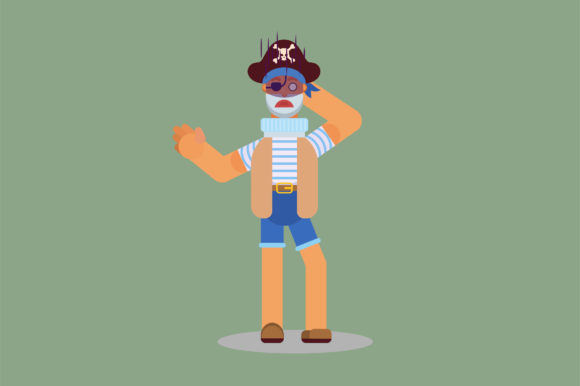
The immediate mood of A Character a Confused Pirate is one of playful chaos. It captures that specific Halloween energy where the spooky meets the silly. For a small business owner or an Etsy seller looking to add personality to their shop, this design hits the sweet spot. It isn't generic; it has a visual personality that suggests a story. When I imagine this on a finished product, I don't just see a logo; I see a conversation starter. The "disgust" element mentioned in the description adds a layer of humor that resonates well with modern consumers who prefer quirky, handcrafted items over mass-produced perfection.
From Digital File to Finished Product: A Practical Scenario
Let's walk through a real-life scenario to see how A Character a Confused Pirate performs in the wild. Imagine you are preparing a custom embroidered tote bag for a local craft fair. You want something that stands out on a crowded table. You decide to use this design as the centerpiece of your booth branding. Because the original graphic is described as easy to edit, you have the flexibility to adjust the color palette to match your brand's autumn theme—perhaps swapping bright reds for deep oranges and mustard yellows.
However, before you hit the "stitch" button on your machine, you have to consider the fabric texture. If you choose a heavy canvas tote, the design needs enough density to hold its shape. If you opt for a softer, lighter cotton blend, the risk of puckering increases. In my experience, A Character a Confused Pirate works exceptionally well on structured items like aprons or kitchen towels where the fabric provides a stable base. The character's confused expression would look charmingly distorted if placed on a slouchy sweatshirt, which might actually be part of the intended aesthetic. But for a professional boutique product, stability is key. I envision this design on a baby item, like a bib or a onesie, where the soft colors and cute confusion would delight parents looking for unique personalized gifts.
Stitching Clarity and Design Complexity
The success of any embroidery file depends heavily on how the software interprets the vector lines. Since A Character a Confused Pirate is a vector illustration, the conversion process is crucial. The design features distinct shapes that should translate well into satin stitches for outlines and fill stitches for the body. However, we must be realistic about detail levels. If the original illustration contains tiny, intricate details meant for high-resolution printing, those same details might disappear when stitched with thread.
For a project like an embroidered patch, you need to ensure the inner details aren't so fine that they get lost in the stitching. I recommend testing the design by converting it to black and white mockups first. This helps visualize how the negative space will look once the background fabric shows through. If the design relies on subtle gradients, remember that embroidery uses solid thread colors. You will need to rely on the artist's choice of thread colors to create depth. If the design allows for editing, consider simplifying the background elements to keep the focus on the pirate character's face.
When considering machine embroidery design techniques, the type of stitch matters. A mix of satin stitch for the borders and fill stitch for the main areas usually yields the best results for character illustrations. Running stitch could be used effectively for wispy details, like hair or smoke, but only if the hoop size is large enough to support the tension. If you are working with a small hoop, such as 4x4 inches, you may need to scale down the design, which risks losing the very charm that makes A Character a Confused Pirate appealing.
Where to Exercise Caution
Not every surface is suitable for this design. While A Character a Confused Pirate is versatile, there are specific scenarios where it might struggle. Using this design on stretchy fabrics like thin t-shirts requires a stabilizer that matches the fabric's elasticity, otherwise, the garment may pucker around the character's head. Similarly, dark fabrics present a challenge. If the design includes light-colored details, you might need to add an underlay or a top layer of stabilizer to prevent the dark fabric from bleeding through the stitches.
Curved surfaces, such as caps or hats, demand extra attention. The distortion caused by the curvature can alter the "confused" expression, potentially making it look unintentionally angry or sad. For curved projects, I advise using a specialized cap frame and perhaps adjusting the digitization slightly to compensate for the curve. Additionally, avoid using this design on products that require frequent washing, like work uniforms, unless you are confident in the durability of the stitch density. High-density areas can trap lint and dirt over time, diminishing the professional look of the finished product.
Impact on Brand and Customer Trust
In the world of craft business and Etsy sellers, presentation is everything. A poorly executed design can erode customer trust instantly. A Character a Confused Pirate, when done right, elevates the perceived value of your item. It signals that you care about quality and have a unique eye for design. Customers buying handmade products are often looking for something with character, and this illustration delivers exactly that.
If you are creating commercial embroidery assets or selling digital files, the clarity of the design is paramount. Buyers want to know that the digital embroidery file they purchase will result in a clean, sharp image. By ensuring that the stitch density is balanced and the hoop size is appropriate, you protect your reputation. A messy stitch job looks cheap, even if the underlying vector art is excellent. Therefore, thorough testing on scrap fabric is non-negotiable.
Essential Notes for the Designer
- Test Before You Sell: Always run a test stitch on scrap fabric to check for puckering and thread breaks. This simple step saves money and protects your brand.
- Check Color Contrast: Ensure the thread colors chosen provide enough contrast against the fabric. A light gray pirate on a beige shirt might wash out completely.
- Review Stitch Density: High density creates a stiff feel, while low density might look sparse. Find the balance that suits the fabric weight.
- Confirm Licensing: Before using this design for commercial purposes, double-check the license terms. Some graphics allow personal use only, while others permit selling finished items.
- Inspect Small Details: Zoom in on the digitized version to ensure no tiny lines have been dropped during conversion.
Ultimately, A Character a Confused Pirate is more than just a Halloween decoration; it is a versatile asset for creative entrepreneurs. Whether you are crafting a tote bag design for a fall market, adding a touch of whimsy to a sweatshirt embroidery project, or creating a unique holiday gift, this design offers a strong foundation. It invites customization and fits naturally into a wide range of embroidery projects. With careful planning and attention to the technical details of applique design or standard stitching, you can transform this vector illustration into a stunning piece of wearable art that customers will love.
As you move forward with your small shop product line, remember that the difference between a good design and a great one often comes down to execution. Take the time to preview your printable mockup, compare it against different backgrounds, and trust your instincts as a designer. A Character a Confused Pirate has the potential to be a standout piece in your portfolio, provided you treat it with the respect and technical precision it deserves.