A Character of a Little Girl: Real Embroidery Review
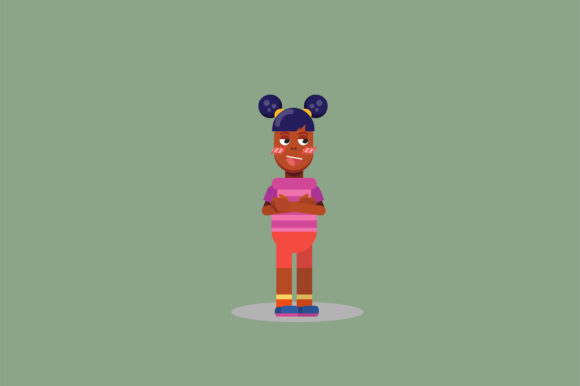
When I first pulled up A Character of a Little Girl, my immediate thought wasn't about the file format or the stitch count. It was about the vibe. As someone who has spent years turning digital files into tangible, stitched treasures for clients and craft fairs, I know that a design's success often hinges on its personality before it even hits the hoop. This piece is a funny, cute Halloween vector character illustration that promises simplicity and editability. But does that translate to high-quality embroidery? In this review, I am putting A Character of a Little Girl through the wringer of real-world application to see if it holds up as a viable asset for your next custom apparel project or small business merchandise line.
The First Stitch: Mood and Visual Personality
The description labels this as a simple vector illustration suitable for stickers, which suggests clean lines and minimal complexity. That is a good sign for machine embroidery. The visual personality of A Character of a Little Girl feels mischievous yet endearing. It carries a specific Halloween energy without being overly gory or dark, making it versatile enough for seasonal collections or year-round novelty items. When I imagine this design on a fabric swatch, the "funny" aspect likely relies on expressive features rather than intricate shading. This means the design will rely heavily on how well the satin stitches capture those expressions and how the fill stitches define the character's silhouette.
For an embroiderer, the appeal here is the balance between detail and wearability. A character that is too detailed can get lost in dense stitching, while one that is too simple might look flat. This illustration seems to strike a sweet spot, offering enough definition to be recognizable but enough open space to breathe when stitched. It feels like a design that belongs on a child's item or a playful gift, where the charm lies in the cuteness factor rather than technical precision.
Real-World Application: From Digital File to Finished Product
I recently considered using A Character of a Little Girl for a custom embroidered tote bag project intended for a local boutique client. The goal was to create a limited-run holiday gift set. My initial assessment was that this design would shine on a canvas tote. The flat surface of the canvas provides a stable base, allowing the machine embroidery design to lay down smoothly without puckering. The Halloween theme fits perfectly with autumnal color palettes—think burnt orange thread against a natural canvas background.
However, the versatility extends far beyond totes. Imagine this design on a baby sweatshirt for a "Spooky Cute" nursery collection. The simple vector nature of the graphics ensures that the embroidery remains soft against delicate skin, avoiding the scratchiness that can sometimes come from dense, complex designs. For an Etsy seller looking to expand their catalog, A Character of a Little Girl could easily be adapted for a series of personalized gifts. You could stitch it onto aprons for young bakers, pillow covers for a kid's room, or even as a decorative accent on a kitchen towel.
In terms of commercial viability, the design's editability is a massive plus. If you are a creative entrepreneur selling digital product previews or printable mockups, knowing that you can tweak the colors or scale the character before sending it to the machine saves hours of work. It allows for rapid prototyping of small shop products without needing to re-digitize the entire image from scratch.
Where to Proceed with Caution
While the design has potential, no single file works for every scenario. There are specific situations where A Character of a Little Girl might struggle, and knowing these pitfalls is crucial for maintaining professional standards. First, consider the hoop size. If you attempt to stitch this on a very small cap or a narrow patch, the details of the character might become indistinguishable. Tiny lettering or minute facial features can disappear under the weight of the thread, turning a cute character into a blurry blob.
Fabric choice is another critical factor. Stretchy fabrics, like standard jersey t-shirts, require careful stabilizer selection. Without proper support, the tension of the satin stitch could distort the garment, ruining the shape of the character. Similarly, textured fabrics like heavy corduroy or bouclé can hide the fine details of the illustration. If the texture is too rough, the thread won't sit flush, and the "funny" expression might get lost in the weave.
Dense stitch areas also warrant attention. If the original vector contains tight clusters of lines, the resulting fill stitch might create a stiff, cardboard-like feel. This is particularly problematic for items that need to be washed frequently, such as aprons or baby clothes. Over time, thick, dense embroidery can crack or peel if not digitized correctly. Additionally, working on dark fabric requires a contrasting thread strategy; if the design relies on subtle outlines, they may vanish against a black background unless you use a specific underlay or contrasting thread color.
Impact on Brand and Customer Perception
The quality of your embroidery directly influences customer trust and brand consistency. A well-executed A Character of a Little Girl design signals professionalism. It tells the buyer that you care about the finish of your handmade product. Conversely, a poorly executed version—where threads bunch up or edges look jagged—can make a handmade product feel cheap, regardless of the quality of the underlying materials.
For a designer or seller, the visual appeal of the finished product drives engagement. A cute, clearly defined character on a tote bag or a baby onesie is highly shareable. Customers love posting photos of their purchases on social media, and a charming design encourages them to do so. This organic marketing is invaluable for Etsy sellers and crafter entrepreneurs trying to grow their audience. The design acts as a conversation starter, adding value to the item beyond its utility.
Furthermore, the adaptability of the graphic supports brand storytelling. Whether you are creating a cohesive line of holiday gifts or a unique collection of custom apparel, having a character that resonates emotionally helps build a connection with your audience. It transforms a generic item into a personalized gift that feels special and thoughtful.
Essential Notes for the Design Professional
Before committing to a full production run, there are practical steps every experienced designer should take. Always test the embroidery file on scrap fabric that matches your final material. This allows you to check the thread color contrast and ensure the stitch density is appropriate for the fabric type. Inspect small details closely; what looks clear on a screen might get lost in the stitching process.
It is also wise to test the design in black and white mockups first. This helps you visualize the form without the distraction of color, ensuring the silhouette remains strong. Compare light and dark fabric backgrounds to see how the character adapts. Make sure you are using the proper stabilizer to prevent shifting, especially on curved surfaces like caps or hats.
Finally, confirm the licensing terms before selling finished items or digital products. While the description mentions the illustration is easy to edit, you must verify if you have the right to sell items made from it commercially. Check the file formats available and ensure your machine is compatible. By following these guidelines, you can maximize the potential of A Character of a Little Girl and turn a simple vector into a standout embroidery project that delights customers and elevates your craft business.