A Character of a Boy: A Designer's Real-World Embroidery Review
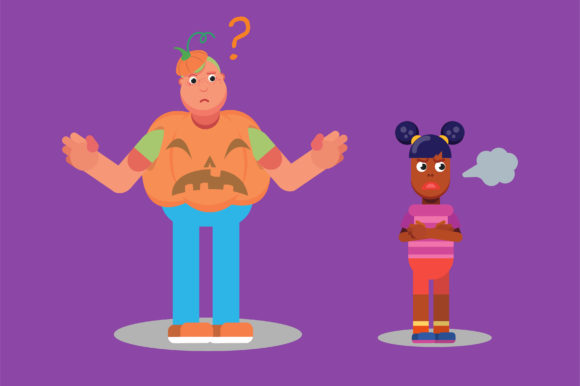
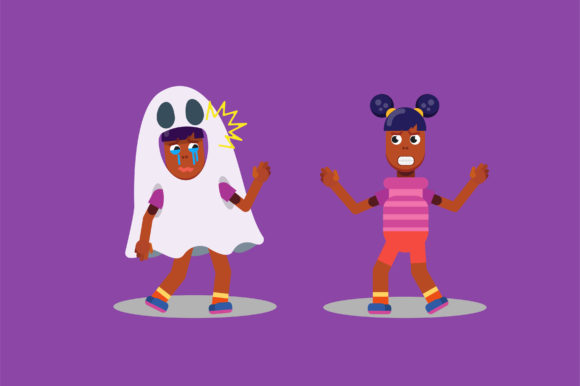
When I first opened the file for A Character of a Boy, my initial reaction wasn't about the technical specs or the vector format. It was about the mood. This isn't just another generic spooky icon; it carries a distinct personality that screams "disgust" with a playful twist. As someone who has stitched thousands of designs for clients ranging from boutique owners to craft fair hobbyists, I know that a successful embroidery project starts with a character that connects. This Halloween-themed illustration offers exactly that—a colorful, expressive face that promises to be a conversation starter on any finished product.
The description highlights this as a vector illustration suitable for stickers, but my job is to look past the digital preview and imagine how it translates to thread. The concept of a disgusted boy fits perfectly into the current trend of quirky, non-traditional Halloween decor. We are moving away from the classic smiling jack-o'-lanterns toward characters that tell a story or express an emotion. A Character of a Boy delivers that narrative instantly. Whether you are an Etsy seller looking to stock up on holiday inventory or a designer creating a custom gift for a friend, the visual appeal here is strong enough to justify the time spent setting up the machine.
From Screen to Stitch: Visualizing the Final Product
Let's talk about a real scenario. Imagine you are preparing a limited run of embroidered tote bags for a local Halloween market. You need something that stands out on a canvas background but doesn't get lost in the weave. When I mentally placed A Character of a Boy onto a sturdy canvas tote, the design felt right at home. The bold lines and exaggerated expression would hold up well against the rough texture of the fabric. Unlike delicate floral patterns that can disappear on heavy materials, this character has enough presence to anchor the bag.
However, the transition from a colorful vector to a stitched image requires careful consideration of your thread colors. Since the original graphic is described as colorful, you have the freedom to choose threads that either match the vibrant palette or play with contrast. For a sweatshirt, using a dark navy or black background with bright neon greens and oranges for the character would make the "disgusted" expression pop with high energy. On a lighter fabric, like a cream-colored apron, the same design could take on a softer, almost whimsical tone. The versatility here is impressive, making it a valuable asset for custom apparel projects.
I also considered how this design would work on smaller items. Picture a baby onesie or a nursery pillow cover. The slightly grotesque but cute nature of the character adds a layer of humor that parents often appreciate in modern children's wear. It breaks the monotony of standard cartoon faces. If you are a maker focusing on personalized gifts, adding a name next to this character creates a unique piece of art that feels bespoke rather than mass-produced.
Practical Challenges and Where to Exercise Caution
While the concept is solid, every experienced designer knows that the devil is in the details. There are specific scenarios where A Character of a Boy might require extra attention to ensure a professional finish. First, let's address the hoop size. If you are working with a small hoop, such as those used for caps or small patches, you must verify that the intricate details of the facial expression won't get lost. Tiny features, especially around the eyes and mouth which convey the disgust, need enough space to breathe. If the design is too large for the intended area, the stitching density might become too tight, leading to puckering on thin fabrics.
Fabric texture is another critical factor. Stretchy materials like jersey knits or loose-weave linens can be tricky with detailed illustrations. Without proper stabilizer, the tension of the stitches could distort the shape of the character's face, turning a funny expression into a distorted mess. Always test on scrap fabric before committing to your final garment. This is non-negotiable when dealing with embroidery files that rely on precise shapes for their impact.
Dense stitch areas are also worth noting. If the vector illustration contains large blocks of color meant to be filled with satin or fill stitches, check the density settings. High-density fills on lightweight fabrics can cause the material to bunch up, ruining the drape of a t-shirt or the structure of a cap. For curved surfaces like baseball caps, the design needs to be adapted to follow the curvature of the brim. A flat design might look great on a mockup but could appear stretched or compressed once stitched onto a rounded surface. If the design includes tiny lettering or fine decorative accents, these are the elements most likely to fail on textured fabrics or during frequent washing cycles.
Elevating Your Craft Business with Smart Design Choices
For those running a craft business or selling on platforms like Etsy, the choice of design directly impacts customer trust and brand consistency. A well-executed embroidery project signals professionalism. When a customer receives a handmade item featuring A Character of a Boy, they should see clear, crisp stitches with no skipped areas or loose threads. The clarity of the design affects the perceived value of the product. A sloppy execution of a fun character can make the entire item look cheap, whereas a clean finish elevates it to a premium boutique product.
This design also shines in marketing materials. Because it is a vector-based graphics source, it is perfect for creating printable mockups. You can place the character on various products—pillow covers, kitchen towels, holiday gifts—and show potential buyers exactly what they will receive. This transparency reduces return rates and increases buyer engagement. People love seeing the process, and showcasing how the colorful vector translates into a tangible finished product builds excitement.
Consider the range of applications. Beyond apparel, this character works beautifully as an embroidered patch for denim jackets or backpacks. The "disgust" theme is trendy and resonates with younger demographics who enjoy expressing their moods through fashion. For commercial embroidery projects, having a design that is both thematic and versatile allows you to create cohesive collections. Imagine a line of Halloween merchandise where each item features a different emotion, with A Character of a Boy representing the humorous side of the holiday.
Essential Pre-Production Checks
Before you hit the start button on your machine, there are a few practical steps every designer should take. First, review the stitch density. If the design is dense, consider reducing the fill slightly to prevent bulk, especially if you are working with thin fabric or layered garments. Second, confirm your hoop size matches the design dimensions. Third, inspect the small details closely. Are the eyes sharp? Is the mouth definition clear? If the original vector has very fine lines, you may need to adjust the digitization settings to ensure they translate well into thread.
Thread color selection is paramount. Test your choices in black and white mockups to ensure there is sufficient contrast between the character and the background. A low-contrast design can look muddy under certain lighting conditions. Also, double-check whether the design is licensed for commercial embroidery if you plan to sell the finished items. Licensing terms vary, and understanding them protects your small shop product business from legal issues.
Finally, always use the proper stabilizer. For a design with potential density, a cut-away stabilizer often provides the best support for long-term durability, ensuring the embroidery design withstands the rigors of washing without losing its shape. By taking these precautions, you ensure that A Character of a Boy becomes a standout piece in your portfolio, ready to delight customers and elevate your brand.