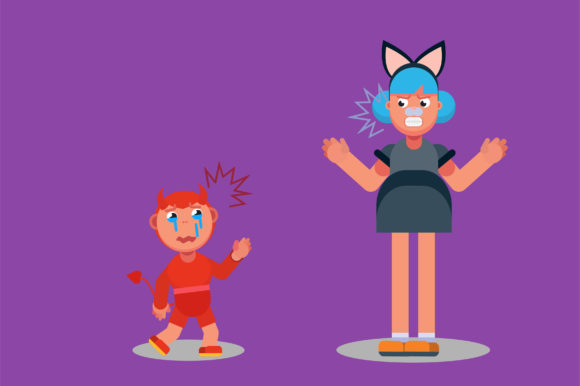
Halloween Costume: A Designer's Real-World Embroidery Review
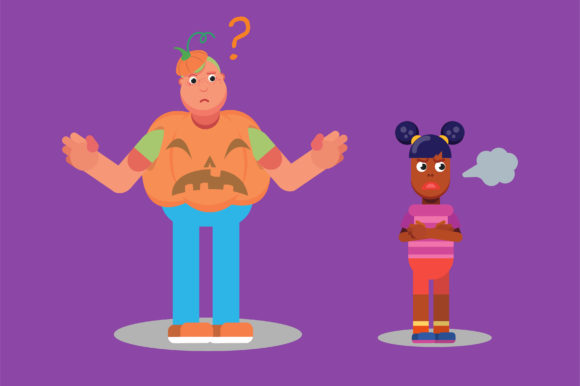
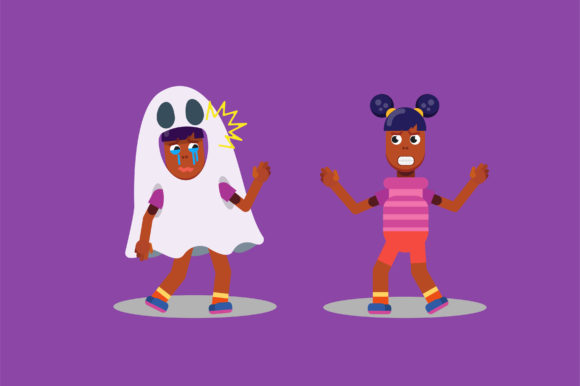
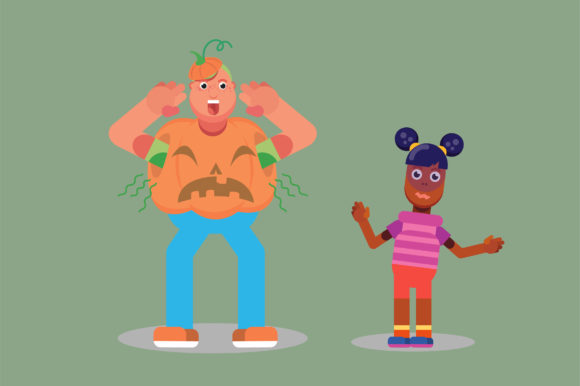
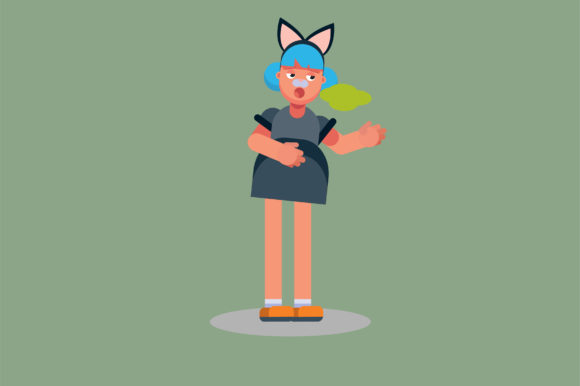
When I first opened the file for Halloween Costume, my initial reaction wasn't about stitch counts or file formats. It was about the mood. This isn't your typical bright, cartoony jack-o'-lantern design that screams "party." Instead, this Illustrations category piece brings a distinct, sorrowful vibe to the table. As someone who has stitched thousands of designs for clients and craft fairs, I know that finding a graphic with genuine personality is rare. The description calls it a "gloomy and quirky Halloween people" vector, and that translates perfectly into the visual language of embroidery.
The characters in Halloween Costume feel like they stepped out of a gothic storybook rather than a children's cartoon. For an embroidery designer, this is a goldmine. It suggests a finished product that stands out on a shelf full of generic holiday items. But does it hold up under the needle? Can it survive the transition from a digital screen to a physical textile? Let's walk through how I would approach this design for a real project.
Bringing the Gloomy Vibe to Life
The first thing I noticed when analyzing Halloween Costume is its layout. The characters are drawn with enough definition to work well as a sticker, but we need to consider if that same detail will translate to thread. In the world of machine embroidery, there is often a tension between "quaint" and "readable." This design leans into the quirky side, which means the stitching needs to be precise to maintain the character's expressions.
I envision this design sitting comfortably on a dark charcoal sweatshirt or a vintage black tote bag. The sorrowful nature of the characters pairs beautifully with deep colors. If you are an Etsy seller looking to create a niche collection, this design offers a unique selling point. It moves away from the mass-produced orange and green aesthetic that floods the market every October. Instead, it appeals to the customer who wants something slightly darker, more artistic, and definitely memorable.
Real-World Application: The Custom Tote Bag Scenario
Let's imagine a specific scenario. You are preparing for a fall craft fair, and you want to launch a line of embroidered tote bags featuring spooky themes. Most competitors are using traditional ghosts and witches. You decide to test Halloween Costume.
You pull out a heavy-duty canvas tote and load your machine. The design feels substantial. Because it is a vector illustration, the lines are clean, which usually helps with satin stitches outlining the characters. However, the "sorrowful" expression requires delicate handling. If you use too much fill stitch density, you might lose the subtle details that give the characters their personality. You opt for a mix of satin stitches for the outlines and a lighter fill stitch for the clothing areas.
The result is striking. When customers see the finished product, they don't just see a "Halloween item"; they see art. The design elevates the perceived value of the tote bag. It transforms a simple canvas bag into a boutique accessory. This kind of visual appeal is crucial for handmade product sellers who rely on photography and display to drive sales. The gloomy aesthetic creates a conversation starter, making the item more shareable on social media platforms where visual impact drives engagement.
Navigating Technical Challenges
While the artistic potential of Halloween Costume is high, every designer knows that technical execution is where projects can fail. There are specific situations where this design requires caution.
- Small Hoop Sizes: If you plan to put this on a baby onesie or a small cap, you must verify the dimensions. The "quirky" nature of the characters implies some width. Trying to cram a wide vector illustration into a 4x4 hoop might force you to scale it down so much that the facial expressions become indistinct blobs.
- Textured Fabrics: This design relies on clear lines. On a heavily textured fabric like a thick chenille or a rough burlap, the fine details of the sorrowful faces could get lost in the weave. Stick to smoother fabrics like cotton twill, denim, or smooth polyester blends for the best clarity.
- Dark Fabrics: Since the characters are likely outlined in white or light colors (based on the vector style), ensure you have high-quality white thread. On dark backgrounds, any thinning in the thread coverage will show immediately. A double layer of stabilizer is non-negotiable here to prevent puckering, which would distort the emotional expression of the characters.
- Curved Surfaces: Applying this to a baseball cap requires careful hooping. The curvature of the hat can stretch the fabric, potentially widening the gaps between the characters. Test this on scrap fabric first to ensure the spacing remains consistent.
Design Assets and Commercial Potential
For those of us running a craft business or managing a small shop product line, the versatility of Halloween Costume is key. It works as a standalone embroidery project or as part of a larger collection. Imagine using it on a set of kitchen towels for a "spooky baking" gift set, or perhaps on a pillow cover for a nursery with a slightly edgy theme.
The design also serves well as a digital embroidery file preview. When creating listings for your online store, showing a mockup of this design on a black hoodie versus a cream apron demonstrates its range. It proves to buyers that the design is adaptable. However, remember that while the design assets are versatile, the licensing terms dictate whether you can sell the finished items. Always confirm these terms before listing commercial embroidery products.
If you are considering this for holiday embroidery gifts, the unique mood sets it apart from standard greeting cards. A personalized gift featuring a custom version of these characters adds a layer of thoughtfulness that generic designs simply cannot match. It shows the recipient that you chose something specific and curated, not just downloaded at random.
Essential Notes for the Stitching Process
Before you commit to a large batch production, there are practical steps every professional should take. First, run a test on scrap fabric. Check the stitch density to ensure the threads aren't pulling too tight, which could cause the fabric to pucker around the "gloomy" features. Inspect the small details closely; sometimes, what looks good on a screen gets lost in the thread texture.
Review your thread colors. While the vector is monochrome, your choice of thread will define the final look. High-contrast colors will make the characters pop, while tonal colors will create a more subtle, sophisticated effect. Also, check the hoop size compatibility. If the design is large, you may need a multi-hoop setup, which increases the risk of alignment errors. Ensure your stabilizer choice matches the fabric weight; a heavy design on light fabric needs heavy support.
Finally, always inspect the finished product for consistency. Does the expression read clearly? Is the stitching even? These details build customer trust and ensure your brand maintains a reputation for quality. Whether you are making a single personalized gift or producing hundreds for a boutique branding campaign, the effort you put into testing pays off in the final result.
Halloween Costume is more than just a graphic; it is a statement piece waiting to be stitched. With the right preparation and attention to detail, it can become a standout addition to your portfolio, offering a fresh take on seasonal decor and apparel. Embrace the gloom, master the stitch, and let your creativity shine through.