A Little Devil and a Boy: A Real-World Embroidery Review
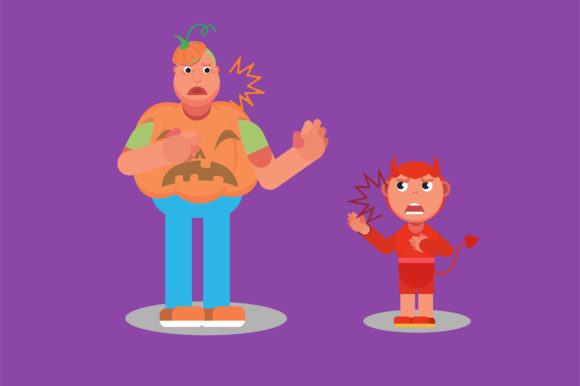
When I first opened the ZIP file for A Little Devil and a Boy, I wasn't just looking at a character illustration; I was visualizing it stitched into a finished product. As an experienced designer who has reviewed countless embroidery files for real projects, my first impression is that this piece carries a distinct mood. It isn't your standard cheerful Halloween motif. The description mentions "stress and depressed," which suggests a quirky, perhaps slightly melancholic personality that stands out in a market saturated with cute pumpkins and smiling ghosts.
This vector illustration feels like it belongs on a custom sweatshirt or a tote bag for someone who appreciates dark humor. However, before you rush to load it onto your machine, we need to talk about how this design translates from a flat digital graphic to a textured, tactile handmade product. The transition from a simple vector line to satin stitches requires careful consideration of stitch density, fabric choice, and the specific limitations of your embroidery hoop size.
From Digital Vector to Stitched Reality
The core strength of A Little Devil and a Boy lies in its simplicity. The prompt describes it as a "simple vector illustration," which is music to an embroiderer's ears. Complex details often get lost when converted into thread, but a clean, defined shape usually holds up well under the needle. When I imagine this design on a baby onesie or a nursery pillow cover, the lack of excessive fine lines is a relief. It means fewer threads will break, and the final image will remain crisp even after multiple washes.
However, the "depressed" theme introduces a challenge regarding color palette. If you are planning to use this for commercial embroidery or a boutique product, the thread colors you choose will make or break the emotional impact. A simple black outline on white fabric might look too stark, while a soft pastel background could soften the mood too much. You need to think about how the fill stitch will interact with the character's expression. Will the eyes be filled with a solid color, or should they utilize a running stitch to create a hollow, tired look? The decision here directly impacts customer trust and the perceived quality of your finished product.
Real-Life Scenarios: Where This Design Shines
I recently evaluated this design for a potential holiday gift project. Imagine a small batch of embroidered patches being sold at a craft fair. A Little Devil and a Boy fits perfectly as a sticker-style patch for a laptop or a denim jacket. Because the original file is described as usable as a sticker, the dimensions are likely optimized for medium-sized applications, making it ideal for chest pockets on aprons or centered on kitchen towels.
For Etsy sellers and creative entrepreneurs, this design offers a unique niche. While everyone else is selling happy ghosts, offering a character that captures a bit of stress or grumpiness can resonate deeply with adults looking for personalized gifts. It works exceptionally well on apparel decorators' lists for custom t-shirts or hoodies targeted at teenagers or young adults who enjoy alternative aesthetics. The design's versatility extends to digital product sellers as well; if you are creating printable mockups to showcase your shop, this character adds a layer of storytelling that generic clip art simply cannot match.
Consider a scenario where you are designing a set of matching items for a small business launch. You could pair A Little Devil and a Boy with other spooky illustrations to create a cohesive collection of embroidered patches or tote bag designs. The consistency in style helps build brand identity. Customers remember the vibe of your shop, and a unique character like this becomes a signature element that distinguishes your handmade products from mass-produced goods.
Technical Pitfalls and Fabric Considerations
While the design is promising, there are specific areas where caution is required. If you plan to use this on stretchy fabric, such as a jersey knit cap or a thin t-shirt, you must be meticulous with your stabilizer choice. A design with dense fill areas can cause puckering if the fabric isn't properly supported. For curved surfaces like caps, the distortion of the grid during stitching can sometimes blur the definition of the character's face, especially if the original vector has subtle curves that rely on high-resolution detail.
Small hoop sizes present another hurdle. If you attempt to shrink A Little Devil and a Boy down to fit a tiny 4x4 inch hoop, you risk losing the nuance of the "stressed" expression. Tiny lettering or minute decorative accents might disappear entirely or merge into a solid blob of thread. Always test the design in a smaller scale on scrap fabric first to ensure the essential elements remain visible. Furthermore, on dark fabrics, the contrast provided by standard thread colors might not be sufficient to capture the mood of the illustration without using a heavy underlay or a contrasting border.
If you are working with textured fabrics like fleece or thick cotton blends, the sharpness of the vector lines may get swallowed by the nap of the material. In these cases, a satin stitch border around the character can help define the edges and prevent the design from looking muddy. For products that require frequent washing, such as baby clothes or kitchen linens, check the stitch density carefully. Overly dense areas can feel stiff and uncomfortable against the skin, potentially affecting the buyer's experience and leading to returns.
Professional Notes for the Designer
Before you commit to a full production run or list this as a commercial embroidery asset, follow these practical steps to ensure success. First, always review the stitch density settings in your digitizing software. If the file is a basic conversion, you may need to adjust the fill patterns to accommodate the specific texture of your chosen fabric. Second, inspect the small details closely. Does the devil's tail or the boy's hair have enough definition to survive the stitching process?
It is also crucial to confirm the licensing terms. The product description mentions it is a vector illustration suitable for stickers, but does it explicitly grant rights for commercial embroidery sales? If you are a small shop owner, selling finished items with this design requires clear permission. Do not assume that purchasing the digital file includes unlimited commercial rights for physical merchandise. Always verify this before printing mockups or shipping orders.
Finally, test your thread color choices. A design that looks great on a computer screen can fail miserably in thread form due to sheen differences. Compare light and dark fabric backgrounds to see how the character reads. Use proper stabilizer for every single application, regardless of how sturdy the fabric seems. Whether you are creating a personalized gift for a client or a stock item for your Etsy listing, the quality of the stitching reflects directly on your professionalism.
A Little Devil and a Boy has the potential to be a standout piece in your portfolio, provided you respect the technical constraints of machine embroidery. By treating it as more than just a graphic and approaching it with the mindset of a textile artist, you can turn a simple vector illustration into a memorable, high-quality finished product that customers will love.