A Boy and an Angry Angel: Real-World Embroidery Review
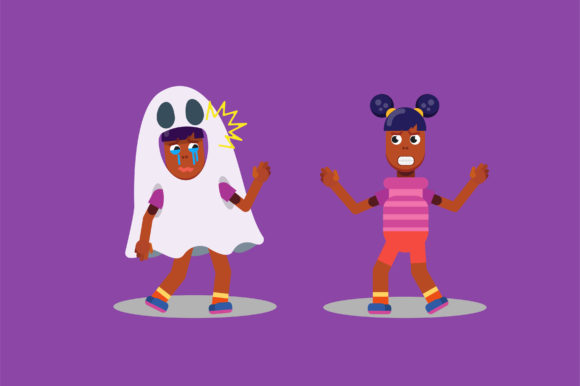
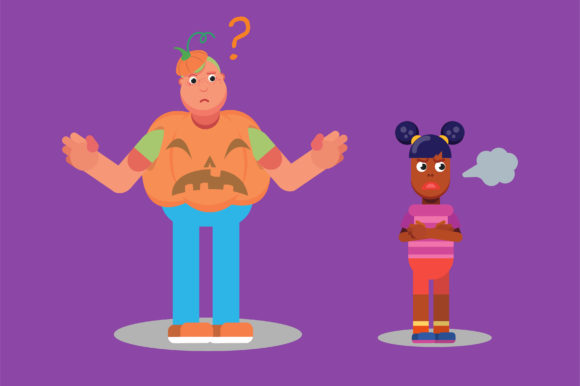
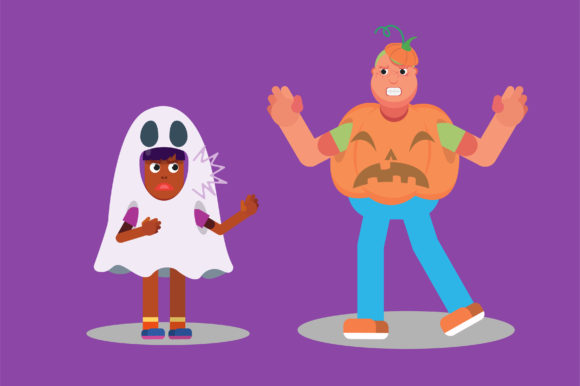
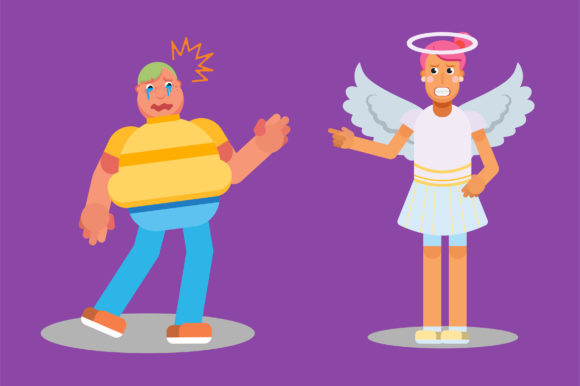
When I first opened the A Boy and an Angry Angel file, my immediate reaction wasn't about stitch counts or color palettes; it was about the mood. As a designer who has spent years turning digital vector illustrations into tactile handmade products, I know that not every graphic translates well to thread. Some designs look great on a screen but fall apart under the needle. This particular piece, described as a character vector illustration of stress and depression with a Halloween theme, caught my eye because it carries a distinct narrative weight. It is simple yet expressive, which is exactly what we need for successful machine embroidery design.
The First Stitch: Visual Personality and Theme
The core strength of A Boy and an Angry Angel lies in its emotional clarity. In the world of custom apparel and personalized gifts, designs that evoke a specific feeling often outperform generic patterns. The concept of a boy paired with an angry figure creates an instant story. For an Etsy seller or a small shop owner, this is gold. It allows you to market a product not just as a "tote bag" or a "pillow cover," but as a statement piece about mental health, resilience, or perhaps a quirky Halloween accessory.
Visually, the description notes that this is a simple vector illustration. In embroidery terms, simplicity is often our friend. Complex gradients and tiny details are nightmares for stabilizer management and thread tension. A design that relies on bold shapes and clear lines tends to hold up better during the stitching process. Whether you plan to use this as a sticker design, a patch, or a direct-to-garment applique design, the clean lines suggest it will render well in satin stitch and fill stitch without losing definition.
Real-Life Scenario: From Screen to Tote Bag
Let's imagine a real project. You are preparing inventory for a boutique selling holiday gifts or a line of stress-relief merchandise. You decide to use A Boy and an Angry Angel on a canvas tote bag. This is a classic choice for craft business owners, but it requires careful planning. The heavy texture of canvas can sometimes obscure fine details, so the simplicity of this graphic becomes a crucial asset.
As I visualize the finished product, I see the contrast between the dark, stressed expression of the characters and the sturdy fabric. If you are using this for commercial embroidery projects, the angle of the design matters. On a tote bag, the design might sit centered on the front panel. However, if you are working on a sweatshirt embroidery project, the curvature of the chest area could distort the "angry" features if the hoop size isn't managed correctly. The design feels most at home on structured items like aprons, caps, or baby embroidery pieces where the surface is relatively flat and stable.
I also considered the potential for a layered look. Since the product description mentions it can be used as a sticker, there is a strong possibility that this design could be adapted for an applique design. Imagine cutting out the angel figure from a contrasting fabric and stitching it onto the boy's shoulder. This adds depth and value to your handmade product, making it feel more premium than a standard single-color embroidery file.
Where to Exercise Caution
While the design has strong potential, an experienced reviewer must point out where things can go wrong. Not every fabric plays nice with every design. If you attempt to stitch A Boy and an Angry Angel on stretchy fabric like a thin t-shirt or a jersey knit without proper stabilizer, the distortion will ruin the facial expressions of the characters. The stress lines and the "angry" features rely on precise geometry; if the fabric puckers, the emotion gets lost.
Similarly, small hoop sizes are a trap here. While the illustration is simple, if the design includes any intricate detailing around the eyes or the interaction between the two figures, shrinking it down too much will result in a muddy mess. Dense stitch areas can cause the fabric to pucker if the thread colors are too similar or if the underlay is insufficient. I would advise against using this on dark fabrics unless you have a high-quality white or light-colored thread available for the highlights, as the contrast is essential for the mood to come through.
Another consideration is the durability of the finished product. If this is intended for a kitchen towel or a frequently washed baby item, the density of the stitches needs to be robust enough to withstand agitation. Thin fabrics or decorative accents that are prone to snagging should be avoided for the main body of the garment. Always test the design on scrap fabric first to ensure the thread tension holds up over time.
Impact on Brand and Customer Trust
In the competitive world of digital product sellers and creative entrepreneurs, the quality of your design assets speaks volumes about your brand consistency. Using a well-executed design like A Boy and an Angry Angel elevates your printable mockups and digital embroidery files. When a customer sees a sharp, clear image of a complex emotion rendered in thread, they trust that the final product will match the photo.
This design has a unique "giftability" factor. People are increasingly looking for items that resonate with their personal struggles or sense of humor. A hoodie featuring this character isn't just clothing; it's a conversation starter. For an Etsy seller, this means higher engagement and potentially higher conversion rates. However, professionalism is key. If the stitching is sloppy or the thread colors clash, the message is lost. Ensure you review stitch density and confirm that the thread colors chosen complement the mood of the illustration.
Practical Designer Notes for Execution
Before you commit to a full production run, here are some critical steps to take:
- Check File Formats: Ensure you have the correct embroidery file format for your machine. The product description mentions a ZIP file, so verify the specific formats included (e.g., .dst, .pes, .exp) before attempting to stitch.
- Stabilizer Selection: For a design with potential detail, a cut-away stabilizer is usually best for maintaining shape, especially on garments like caps or aprons. Hoop size should be selected to accommodate the entire design without cutting off edges.
- Thread Contrast: Play with different thread colors. A monochromatic scheme might work for a somber look, while bright colors could shift the vibe entirely. Test these combinations on black and white mockups to see how the values interact.
- Licensing Verification: If you plan to sell finished items or use this as a design asset for clients, double-check the license terms. Confirm whether the purchase allows for commercial embroidery projects or if it is limited to personal use.
- Mockup Testing: Before sewing, create a digital preview. See how A Boy and an Angry Angel looks on a sweatshirt versus a tote bag. Sometimes a design that works on paper fails on fabric due to scale.
Ultimately, A Boy and an Angry Angel is a versatile addition to any graphics collection. It bridges the gap between a simple vector illustration and a meaningful embroidered patch or custom apparel piece. By understanding its strengths and limitations, you can turn this digital download into a tangible, high-value handmade product that resonates with customers.