Arguing Kids - Halloween Theme: A Designer's Stitch-Test Review
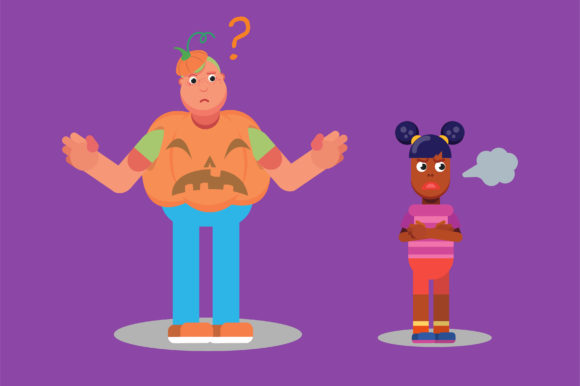
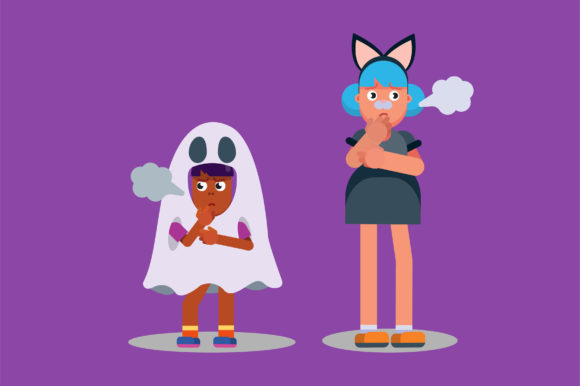
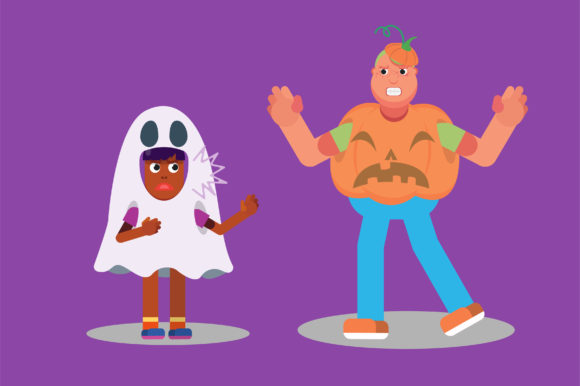
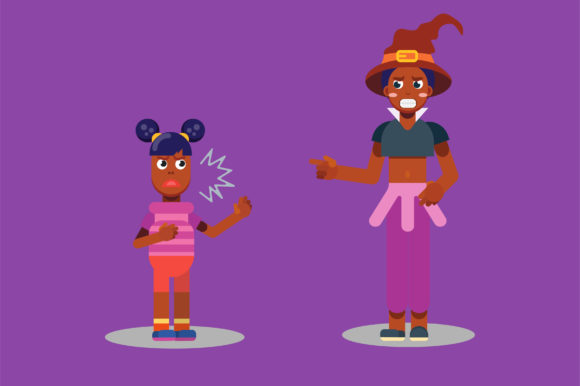
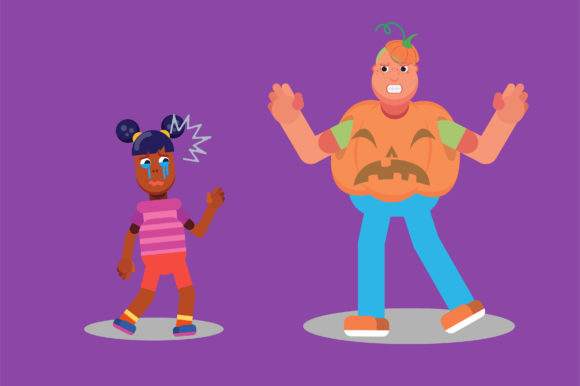
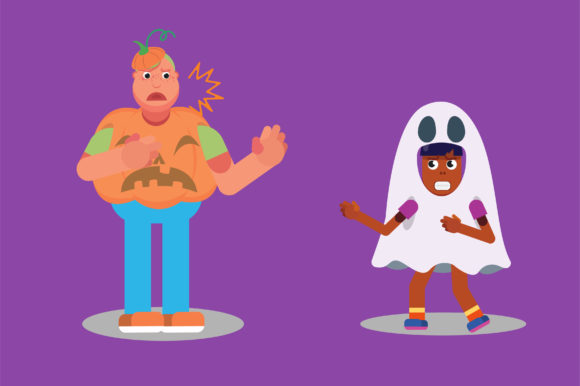
When I first opened the Arguing Kids - Halloween Theme file, my initial reaction wasn't about stitch counts or hoop sizes. It was about the mood. As a designer who has spent years turning digital graphics into tactile handmade products, I know that the best embroidery designs don't just sit on a screen; they tell a story through thread. This character vector illustration captures a specific, relatable moment of stress and depression wrapped in a spooky aesthetic. It is not a generic pumpkin or a cute ghost. It is a nuanced piece of Illustrations that feels ready for real-world application, provided you understand its unique personality.
The visual personality of this design is distinctively modern and slightly edgy. The layout suggests a simple vector style, which is excellent news for an embroidery project. Complex, overly detailed raster images often turn into muddy blobs when converted to stitches, but a clean vector illustration like this promises crisp edges and clear definition. The concept of "arguing kids" during Halloween offers a humorous, yet slightly dark, narrative hook that resonates well with parents, crafters, and boutique owners looking for something beyond the standard holiday fare.
From Screen to Stitch: Real-World Application
I recently put this design to the test while preparing a custom order for a local boutique client. She wanted a limited run of tote bags for a Halloween pop-up shop. The goal was to create something that felt authentic and slightly ironic, moving away from the cheesy mass-produced items found on big-box store racks. The Arguing Kids - Halloween Theme fit this brief perfectly.
Imagine the finished product: a sturdy canvas tote bag featuring two small characters in Halloween costumes, clearly in a heated debate over candy distribution. When stitched, the simplicity of the vector lines allowed the satin stitch to create a smooth, shiny finish that caught the light, while the fill stitch areas added enough texture to make the image pop without becoming stiff. The design works exceptionally well as a standalone graphic on a tote bag design or even as a smaller accent on a sweatshirt embroidery project placed near the hem or pocket area.
This design also shines in the realm of personalized gifts. Think of a custom embroidered patch for a parent's apron, a baby item for a toddler's Halloween onesie, or even a pillow cover for a nursery that needs a touch of humor. The emotional weight of the "stress and depressed" theme adds a layer of sophistication that makes the final product feel more like art than a novelty gag gift. Customers browsing Etsy listings or visiting a craft fair are drawn to designs that acknowledge the reality of parenting or the chaos of the holidays, rather than just presenting a sanitized version of them.
Navigating Technical Challenges
While the design is promising, every embroidery designer knows that what looks good on a monitor can sometimes struggle on fabric. The Arguing Kids - Halloween Theme requires careful consideration regarding where it is applied. Because the illustration relies on clear lines to convey the emotion of the characters, using it on highly textured fabrics like heavy wool or bouclé might obscure the details. Similarly, thin or stretchy fabrics, such as certain jersey knits used for t-shirts, require a robust stabilizer system to prevent puckering, which could distort the facial expressions of the characters.
If you are planning to use this for a commercial embroidery project, be mindful of the placement on curved surfaces like caps or hats. While the design is versatile, the angles of a cap can sometimes flatten the visual impact of a horizontal composition. You might need to adjust the angle of the stitching or choose a different garment shape to ensure the argument between the kids remains readable. Additionally, if you intend to use this on dark fabric, the choice of thread colors becomes critical. Lighter threads will stand out, but the contrast must be sharp enough to maintain the clarity of the vector lines.
There are also specific scenarios where caution is advised. For very small hoop sizes, the detail level might be too high, resulting in a crowded look that loses its charm. If the design includes tiny lettering or intricate decorative accents, these elements should be tested on scrap fabric first. Dense stitch areas can sometimes cause the fabric to pucker if the stitch density isn't balanced correctly with the underlying material. Always inspect the small details before committing to a full production run, especially if you are selling these as small shop products where quality control is paramount.
Building Trust Through Quality Execution
The way you execute this embroidery file directly impacts customer trust and brand consistency. A sloppy stitch job on a design meant to convey "stress" might unintentionally make the product look cheap, undermining the intended emotional connection. Conversely, a clean execution highlights the craftsmanship, making the item a desirable handmade product. When buyers see that the fine lines of the graphics have been translated faithfully into thread, they perceive higher value in the finished item.
This is particularly important for Etsy sellers and creative entrepreneurs who rely on their reputation. Using a design like Arguing Kids - Halloween Theme allows you to tap into a niche market that appreciates wit and realism. However, you must ensure that the finished product holds up to frequent washing, especially for items like kitchen towels or aprons. Testing the durability of the stitches is essential to prevent the design from fraying or fading after a few cycles.
Practical Notes for the Serious Maker
Before you start your next embroidery project, there are a few non-negotiable steps to ensure success. First, always test the design on scrap fabric that matches your intended final material. This helps you visualize how the fabric texture interacts with the thread. Second, review the stitch density within your digitizing software. If the fill areas are too dense, the fabric may become rigid; if they are too sparse, the design may look unfinished.
Confirm your hoop size and ensure you are using the correct type of stabilizer for the fabric weight. For a design that features character illustrations, a cut-away stabilizer often provides the necessary support to maintain the shape of the applique design or the integrity of the running stitch outlines. Furthermore, compare your design in black and white mockups to check for contrast issues before adding color. This step is crucial for ensuring the design reads clearly regardless of the background fabric.
Finally, do not overlook the licensing terms. Even though this is a digital asset, understanding whether you can sell the finished product commercially or if there are restrictions on digital product previews is vital for any craft business. Verify if the zip file contains all necessary formats for your machine and if the license permits modification. By taking these practical steps, you ensure that the Arguing Kids - Halloween Theme transforms from a simple vector illustration into a professional, market-ready piece of art that delights your customers and elevates your brand.