There’s a Sticker for That Svg Design Review
As an embroidery designer who spends more time than I care to admit staring at stitch density charts and testing thread tension, I approach every new machine embroidery design with a healthy dose of skepticism. The market is flooded with vector files that look beautiful on a screen but fall apart under the needle. This is why I take the time to evaluate designs like There’s a Sticker for That Svg Design before committing them to client work or my own shop inventory. Today, I’m breaking down how this graphic translates from a digital asset into a tangible, sellable handmade product.
First Impressions: Mood and Visual Personality
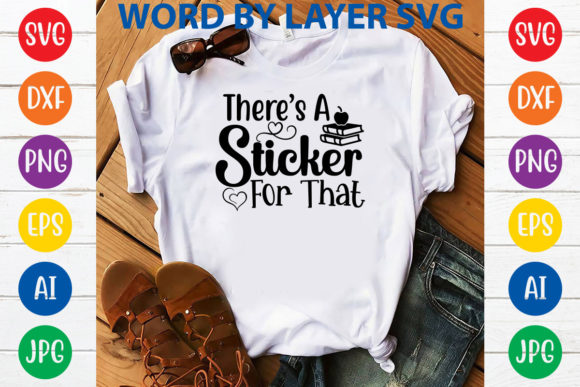
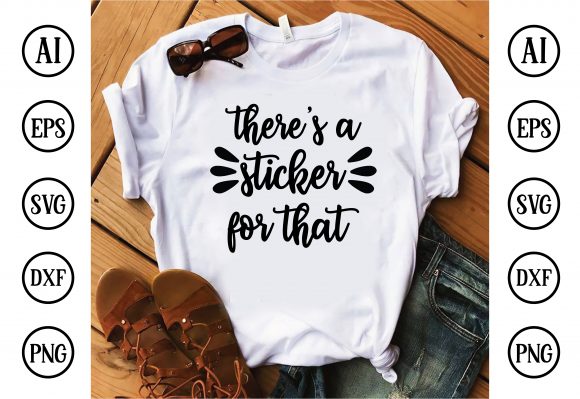
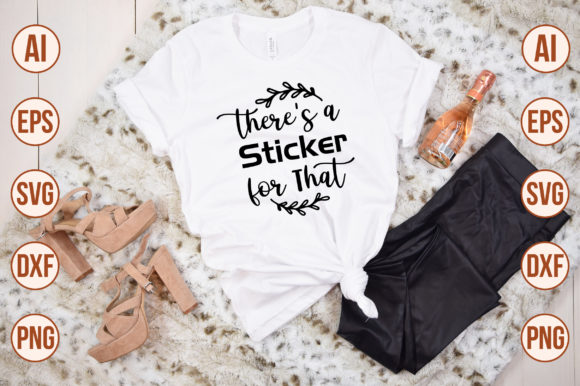
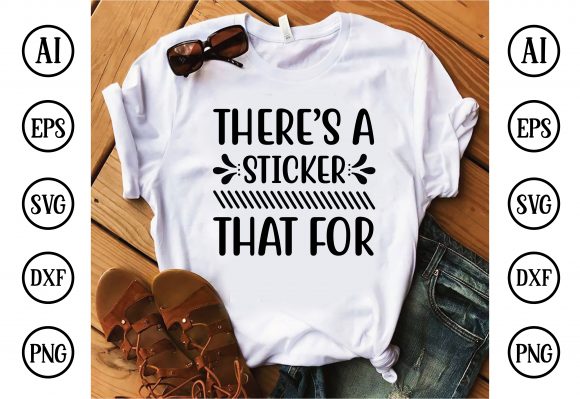
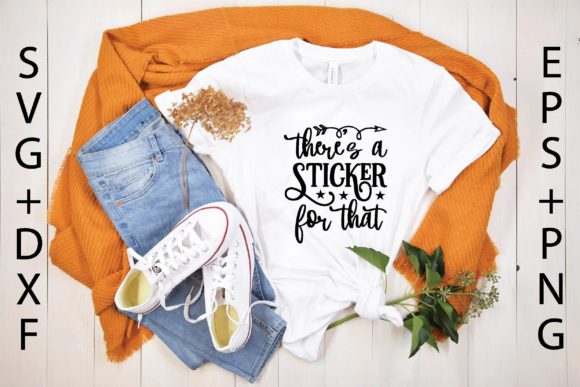
The moment you open the file, the personality of There’s a Sticker for That Svg Design comes through clearly. It taps into a very specific cultural moment—the ubiquitous "sticker culture" that dominates modern stationery, laptops, and craft rooms. The mood is playful, slightly ironic, and undeniably trendy. For designers looking to create items that resonate with Gen Z or millennial audiences, this visual language is spot-on.
From a layout perspective, the illustration is bold. It doesn’t rely on subtle gradients or delicate shading, which is actually a huge plus for embroidery. Instead, it leans on strong outlines and distinct shapes. This makes it an excellent candidate for various stitching techniques. You could easily interpret this as an applique design where the sticker shape itself is the base, or you could use heavy satin stitch work to define the borders. The visual weight suggests it belongs on casual wear rather than formal attire. It feels right at home on a denim jacket, a canvas tote, or a cozy sweatshirt.
Real-World Application: The Custom Tote Bag Scenario
To truly test a design, you have to imagine it in use. Let’s say I am preparing a batch of custom embroidered tote bags for a local artisan market. These are often impulse buys for shoppers looking for a unique, personalized gift. If I were to digitize and stitch There’s a Sticker for That Svg Design onto a natural cotton canvas bag, here is what I anticipate:
- Visual Appeal: The sticker theme pairs perfectly with the utilitarian nature of a tote bag. It creates a cohesive aesthetic that says "organized," "creative," and "fun."
- Customer Reaction: Buyers love relatable humor. A phrase like "There’s a sticker for that" implies organization and quirkiness. Customers will likely view this as a conversation starter, increasing the perceived value of the finished product.
- Production Efficiency: Because the design is likely composed of large, contiguous areas, it should run relatively quickly on the hoop. This means higher profit margins for my craft business, as I can produce more units in less time.
This same logic applies to other items. Imagine this design on a baby onesie for a nursery-themed gift, or perhaps as an embroidered patch attached to a child’s backpack. The versatility of the graphic allows it to bridge the gap between adult fashion and children’s accessories, making it a valuable asset for any Etsy seller looking to diversify their listings.
Performance Across Different Fabrics and Projects
Not all T-Shirt Designs behave equally when moved from graphics to fabric. Here is how There’s a Sticker for That Svg Design performs in specific scenarios:
Apparel and Sweatshirts
On standard cotton tees or fleece sweatshirts, this design shines. The thick lines typical of sticker art translate well into fill stitch or dense satin work. However, keep in mind that on stretchy jersey fabrics, you must use a stabilizer to prevent puckering. The design’s bold nature helps hide minor imperfections, but proper hooping is still non-negotiable for a professional finish.
Home Decor and Kitchen Towels
I see a lot of potential here for kitchen towel projects. The humorous text and sticker motif fit the "modern farmhouse" or "quirky kitchen" trends. When stitched on linen or cotton tea towels, the contrast between the thread and the fabric texture adds depth. Just ensure your thread colors are vibrant enough to pop against the weave of the towel.
Hats and Caps
Curved surfaces present a challenge. While the design is simple, placing it on a baseball cap requires careful positioning. If the design includes small details or tiny lettering, those elements might get lost or distorted on the curve of a hat brim. I recommend using this design on the flat front panel of a cap, avoiding the curved sides, to maintain clarity.
Where to Exercise Caution
No design is perfect for every situation. As a reviewer, I need to highlight where There’s a Sticker for That Svg Design might struggle:
- Small Hoop Sizes: If you attempt to stitch this on a tiny 4x4 inch hoop, fine details may become muddy. The resolution of the embroidery stitches might not capture the subtleties of the original illustration, leading to a blobby appearance.
- Textured Fabrics: Avoid bouclé, heavy tweed, or heavily textured knits. The design relies on clean lines and smooth fills. Rough fabric will obscure these lines, making the final result look messy rather than intentional.
- Dense Stitch Areas: If the digitization (or your interpretation of it) results in overly dense fill stitches, the fabric underneath may pucker or become stiff. This is particularly important for baby embroidery, where comfort is paramount. Always check the back of the work; if there is excessive backing showing, reduce the stitch density.
- Frequent Washing: For items like aprons or dishcloths that undergo rigorous washing, ensure you are using high-quality polyester or rayon threads. Standard cotton thread may fray or fade faster than the novelty of the design lasts.
Practical Designer Notes for Implementation
Before you upload this file to your machine or list it as a digital embroidery file for sale, follow these steps to ensure success:
- Test on Scrap Fabric: Never go straight to the final garment. Stitch the design on a scrap piece of the same fabric type. This reveals issues with stabilizer choice, thread tension, and color contrast immediately.
- Check Black and White Mockups: Convert the design to black and white in your editing software. Does the hierarchy of the elements still make sense? Are there areas that might merge together? This helps you identify weak spots in the composition.
- Review Stitch Density: Look at the stitch paths. Are there long jumps that might break thread? Are there dense clusters that might cause needle deflection? Adjusting these manually can save you hours of re-stitching.
- Confirm Licensing: If you plan to sell finished products made from this design, double-check the license terms. Some graphics allow commercial use for physical goods but prohibit resale of the digital file itself. Clarity here protects your small shop product business from legal issues.
Final Verdict
There’s a Sticker for That Svg Design is a strong, versatile addition to any embroiderer’s library. Its strength lies in its simplicity and relatability. It avoids over-complication, which is the enemy of good embroidery. Whether you are creating personalized gifts, expanding your custom apparel line, or adding a fun touch to holiday embroidery collections, this design delivers.
It works best when paired with solid backgrounds and appropriate stabilizers. By respecting the limitations of the medium—hoop size, fabric texture, and stitch density—you can turn this simple SVG concept into a high-quality, professional-looking embroidery project. For creative entrepreneurs and hobbyists alike, it offers a low-risk, high-reward opportunity to create engaging content that resonates with customers. Just remember: the design is only as good as the execution, so take your time, test thoroughly, and enjoy the process of bringing this sticker-inspired art to life.