Reviewing Alcohol Ink Collection for Embroidery
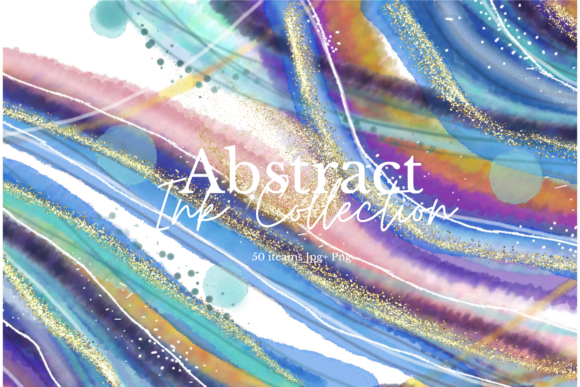
When I first downloaded the Alcohol Ink Collection, my initial reaction was one of cautious optimism. As a designer who spends hours evaluating files for real-world application, I know that abstract textures often look stunning on a screen but can fall flat—or worse, become a stitching nightmare—once transferred to fabric. This collection is categorized under Textures and Graphics, described as an abstract ink set with 300 ppi print-ready RGB format, featuring transparent designs suitable for digital craft. While these specs suggest it is primarily a digital asset, the question remains: how does it translate when we push it into the realm of machine embroidery? In this review, I will walk you through my practical assessment of using Alcohol Ink Collection in actual projects, from custom apparel to small business merchandise.
The Visual Personality and First Impressions
The mood created by Alcohol Ink Collection is undeniably fluid and organic. The abstract nature of the ink blots mimics the unpredictable beauty of alcohol-based markers bleeding into paper or fabric. For an embroidery project, this translates to a design that feels modern, artistic, and slightly chaotic in a controlled way. It doesn’t scream "traditional" or "rustic"; instead, it positions itself as contemporary boutique art.
Visually, the shapes are soft-edged and layered, which gives them depth even before any thread touches the material. This is crucial because embroidery relies heavily on stitch density and color placement to create dimension. If the original graphic lacks clear focal points, the embroidery machine might struggle to decide where to concentrate its work. Fortunately, the high contrast inherent in most ink-blot styles provides natural anchors for the eye. When I previewed these assets, I immediately thought of their potential in custom apparel and digital product previews. They have a high-end feel that could elevate a simple white tote bag or a neutral sweatshirt into a statement piece.
Real-World Application: The Tote Bag Scenario
To truly test the viability of Alcohol Ink Collection, I imagined a specific client request: a personalized gift for a young artist who loves vibrant, messy creativity. The item chosen was a heavy-cotton canvas tote bag. Here is how I analyzed the fit:
- Brand Consistency: The abstract ink style aligns perfectly with creative branding. It signals that the wearer values art and expression.
- Visual Appeal: On a plain canvas background, the transparency of the source file allows for easy integration. However, since this is a machine embroidery design, we must consider how the colors interact with the fabric. The ink splashes offer large areas that could be filled with various thread colors, creating a mosaic effect.
- Customer Reaction: Buyers often gravitate toward unique, non-generic designs. A standard logo might be ignored, but a handcrafted-looking ink splash feels bespoke. This increases the perceived value of the handmade product.
In this scenario, Alcohol Ink Collection performs well because it breaks away from rigid geometric patterns. It invites the viewer to interpret the shapes, making the finished product more engaging. It is particularly effective for Etsy sellers looking to differentiate their listings from mass-produced items.
Performance in Different Embroidery Situations
While the tote bag was a strong candidate, let’s expand the scope to other common uses. How does this embroidery file hold up in different contexts?
Custom Apparel and Sweatshirts
For sweatshirt embroidery, the abstract nature works beautifully as a chest pocket design or a full-back print. The fluid lines soften the bulkiness often associated with large fills on fleece or cotton blends. However, care must be taken with thread colors. Since the original design is RGB-based and likely multi-colored, translating this to thread requires careful selection. You cannot simply digitize every pixel; you must simplify the gradient effects into distinct color blocks. If done correctly, the result is a sophisticated, painterly look that stands out against dark or heathered fabrics.
Baby Items and Nursery Decor
I also considered using this collection for baby embroidery on onesies or nursery wall hangings. The soft, flowing edges of the ink blots are gentle and non-aggressive, making them suitable for children’s products. They avoid the sharp angles that might feel too harsh in a nursery setting. When paired with pastel thread colors, the Alcohol Ink Collection can create a calming, artistic atmosphere. It serves as a great alternative to traditional baby motifs like animals or stars, offering a more modern aesthetic for parents who prefer minimalist or artsy decor.
Holiday Gifts and Boutique Products
During holiday seasons, buyers look for gifts that feel special. An embroidered patch featuring an ink splash design can be attached to scarves, hats, or bags. These holiday embroidery applications benefit from the uniqueness of the design. No two stitches will ever look exactly alike due to the nature of the texture, which adds to the charm. For craft business owners, this versatility means one digital asset can spawn multiple physical products, maximizing ROI.
Where to Exercise Caution
Despite its strengths, Alcohol Ink Collection is not a universal solution. There are specific situations where it may fail or require significant modification.
- Small Hoop Sizes: Because the designs are abstract and often lack fine, intricate details, they might appear muddy if shrunk down too small. In tiny hoops, the distinction between different ink blots can disappear, resulting in a blurry mess rather than a crisp design.
- Textured and Stretchy Fabrics: Applying this to highly textured fabrics like burlap or stretchy jersey can distort the organic shapes. The fabric’s grain may interfere with the smooth flow of the ink pattern. Always use a proper stabilizer to prevent puckering, especially on knit fabrics.
- Dense Stitch Areas: If the design includes large fill areas, ensure your digitizing software can handle the density without causing needle breaks or thread tension issues. Avoid placing dense fills on curved surfaces like caps, where the fabric curves away from the hoop.
- Thin Fabric: On thin materials, the weight of the thread and stabilizer backing can make the garment stiff and uncomfortable. Test on scrap fabric first to assess the hand-feel of the finished area.
Practical Designer Notes for Implementation
Before committing to production, I recommend following these steps to ensure success with Alcohol Ink Collection:
- Test on Scrap Fabric: Never run a full production batch without testing. Check how the stitch density looks on your specific fabric type.
- Check Thread Color Contrast: Since the source is RGB, simulate how the colors will look in thread. High-contrast combinations usually work best for clarity.
- Review Stitch Types: Determine if a mix of satin stitch, fill stitch, and running stitch is needed. Satin stitches can define edges, while fills provide body.
- Inspect Small Details: Zoom in on the digital file. Are there tiny specks that will get lost in the stitching? Remove unnecessary noise to keep the design clean.
- Confirm Licensing: Verify whether the license allows for commercial use of the finished product. This is critical for Etsy sellers and small shop product creators.
- Use Black and White Mockups: View the design in grayscale to check for balance and composition without the distraction of color.
Final Verdict
Alcohol Ink Collection is a versatile and visually striking asset that brings a modern, artistic flair to embroidery. It excels in projects where uniqueness and visual interest are paramount, such as custom apparel, tote bag design, and personalized gifts. While it requires careful consideration regarding fabric choice, hoop size, and digitization technique, the payoff is a professional, high-value handmade product that stands out in a crowded market.
For designers and entrepreneurs looking to add a touch of contemporary art to their offerings, this collection is a worthy addition to your library of design assets. Just remember to respect the limitations of the medium, test thoroughly, and always prioritize the quality of the embroidery project over speed. When executed well, the result is not just a stitched image, but a wearable piece of art that customers will appreciate and cherish.