Ghost Costume and Pumpkin Costume - Sad Embroidery Review
When I first opened the Ghost Costume and Pumpkin Costume - Sad file, my initial reaction wasn't about stitch counts or file formats. It was about the mood. In a market flooded with grinning jack-o'-lanterns and spooky ghosts, this design immediately stood out because of its emotional weight. As an experienced designer who has spent years turning digital graphics into tactile embroidery projects, I know that character is everything. This piece isn't just a generic Halloween graphic; it carries a specific sorrowful cartoon vibe that feels surprisingly fresh for a holiday often associated with chaos.
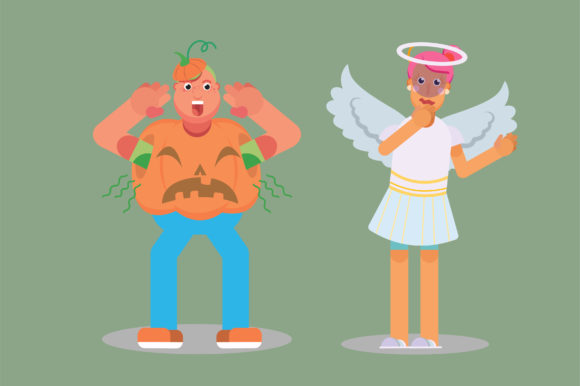
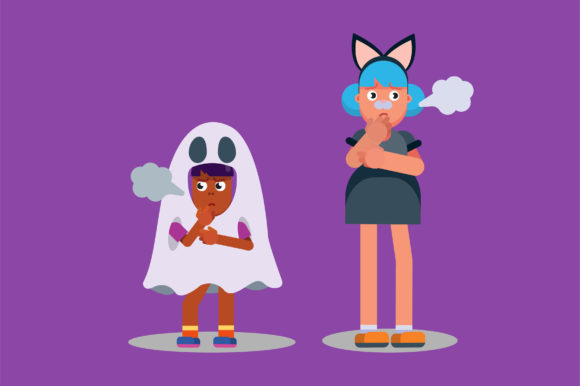
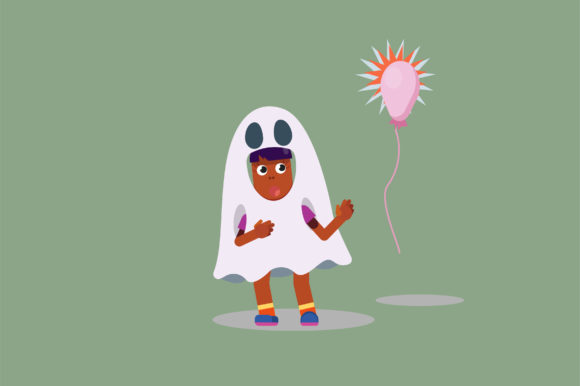
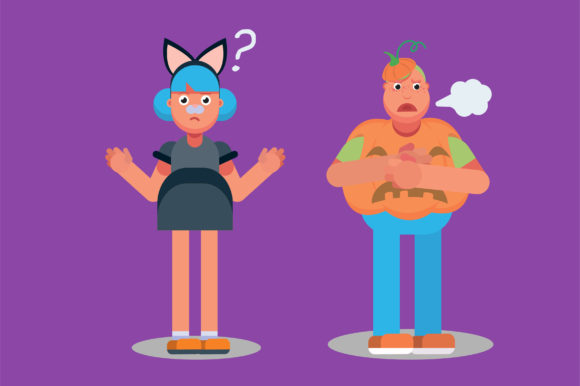
The prompt describes this as a colorful vector illustration suitable for stickers, but we are looking at it through the lens of machine embroidery. The visual personality here is soft, slightly melancholic, and undeniably cute. It creates a unique niche: not scary, but relatable. For those of us running small businesses or crafting personalized gifts, this kind of distinct character can be the difference between a product that sits on a shelf and one that gets shared on social media. Let's break down how this Ghost Costume and Pumpkin Costume - Sad performs when moved from the screen to the hoop.
From Vector to Thread: Real-World Application
I recently imagined using this design for a custom embroidered tote bag project intended for a local craft fair. My goal was to create a boutique product that felt different from the standard "Happy Halloween" merchandise found in big-box stores. The Ghost Costume and Pumpkin Costume - Sad illustration offered a perfect narrative hook. Instead of a scary monster, I envisioned a customer buying a bag featuring a sad pumpkin, perhaps as a gift for someone going through a tough time during the holidays, or simply as a quirky statement piece for a creative entrepreneur.
However, translating this Graphics asset into a finished product requires careful planning. The description mentions it is a colorful vector illustration. In embroidery, color is defined by your thread palette, not the RGB values on your monitor. If you plan to use this for custom apparel like sweatshirts or t-shirts, you need to consider how the colors will translate. A "colorful" vector might look vibrant on screen, but if you try to stitch every single shade with limited thread options, you risk a muddy result. The key here is simplification. You would likely want to reduce the color count to ensure the satin stitch areas remain crisp and the fill stitch density doesn't overwhelm the fabric.
For a tote bag design, this layout works beautifully. Totes offer a large, stable canvas where the details of the sad characters can breathe. Imagine stitching this on a natural canvas tote with white thread highlights against the dark fabric of the ghost. The contrast would make the "sorrowful" expression pop, creating a high-end feel that customers associate with quality handmade goods. Similarly, for aprons or kitchen towels, this design adds a touch of whimsy to the kitchen without being too aggressive for the season.
Where Caution Is Required
While the concept is strong, there are practical limitations to keep in mind before you hit the start button on your machine. One major concern is the hoop size. If the original vector contains intricate details or tiny lettering, shrinking it down to fit a small 4x4 inch hoop could turn those fine lines into blobs. Embroidery relies on thread thickness; if a detail is smaller than the width of a few strands of thread, it simply won't register. I strongly advise checking the digitization of the file to ensure no critical elements get lost in the conversion.
Fabric texture is another factor that can make or break this design. The "sad" emotion relies on clear facial expressions. On a heavily textured fabric like a thick fleece or a rough linen, the definition of the eyes and mouth might get lost. For the best results, stick to smooth fabrics like cotton twill for caps or dense jersey for baby clothes. However, be wary of stretchy fabrics. If you are attempting baby embroidery on a onesie made of 100% stretchy knit, you must use a high-quality stabilizer and potentially a tear-away backing to prevent puckering. Puckered fabric ruins the delicate mood of the character, making the sadness look distorted rather than intentional.
Dense stitch areas are also a potential pitfall. If the design includes large blocks of solid color to represent the costumes, the stitch density needs to be balanced. Too much density on a thin fabric can cause the material to pucker or even tear over time, especially after frequent washing. This is crucial for products like embroidered patches or items that will see heavy wear. Always test the density on a scrap piece of your actual production fabric to ensure the back of the work looks clean and the front remains flat.
Visual Appeal and Brand Consistency
In the world of Etsy sellers and small shop owners, brand consistency is vital. Using a design like Ghost Costume and Pumpkin Costume - Sad signals to your audience that you understand current trends and emotional marketing. It moves away from the generic and toward the personal. When a customer sees a holiday gift with this specific character, they are more likely to engage with the story behind it. It transforms a simple commodity into a memorable item.
The clarity of the design directly impacts perceived value. A well-executed digital embroidery file that translates perfectly to thread elevates the entire product line. If the lines are jagged or the colors bleed into each other, the customer may assume the rest of the business is sloppy. Conversely, a sharp, clean execution builds trust. This is why testing the design in black and white mockups is such a valuable step. It allows you to see if the shapes hold up without relying on color to carry the image. If the silhouette of the sad pumpkin and ghost is recognizable in grayscale, you have a winning design.
Practical Designer Notes for Success
Before you commit to a full production run, there are non-negotiable steps to take. First, always test the design on scrap fabric. This is the only way to verify how the thread colors interact with your chosen material and whether the stabilizer provides enough support. Second, review the stitch density settings. If the file is provided with default settings, they may not suit your specific fabric type. Adjusting the density can save you from hours of rework.
Check the licensing terms carefully. Just because a design is sold as a commercial embroidery asset does not automatically mean you can sell unlimited quantities of finished goods. Some licenses restrict the number of items you can produce, while others require attribution. Confirming these details protects your craft business from legal issues down the road.
Finally, consider the end-use environment. Will this item be washed frequently? If so, ensure the design uses durable stitches like running stitch for outlines and secure applique design techniques if layers are involved. Avoid placing detailed corners on areas of the garment that will be constantly bent or rubbed, such as the cuff of a sweatshirt or the brim of a cap, unless the digitization specifically accounts for curvature.
The Ghost Costume and Pumpkin Costume - Sad illustration offers a unique opportunity to create something meaningful in a crowded market. By approaching it with a critical eye regarding fabric choice, stitch density, and branding, you can transform this vector graphic into a standout handmade product that resonates with buyers. Whether you are creating a personalized gift for a friend or stocking a boutique with unique small shop products, this design has the potential to be a favorite among those who appreciate a little bit of heart in their holiday decor.