Cute Miaw Embroidery Design Review
As a designer who spends more time than I care to admit staring at stitch density charts and testing thread tension, I approach every new asset with a healthy dose of skepticism. The digital illustration market is flooded with generic clipart that looks charming on a screen but falls apart when translated into thread. That is why I take the time to evaluate assets like Cute Miaw before committing them to fabric. This isn’t just about whether it looks cute; it is about whether it survives the hoop, the needle, and the washing machine while maintaining its visual integrity for your customers.
I recently put Cute Miaw through its paces in a real-world scenario: creating a batch of personalized gift boxes and matching tote bags for a small boutique client. The goal was to create a cohesive brand identity that felt handmade yet professional. Here is my honest breakdown of how this design performs as an embroidery file and graphic asset.
First Impressions and Visual Personality
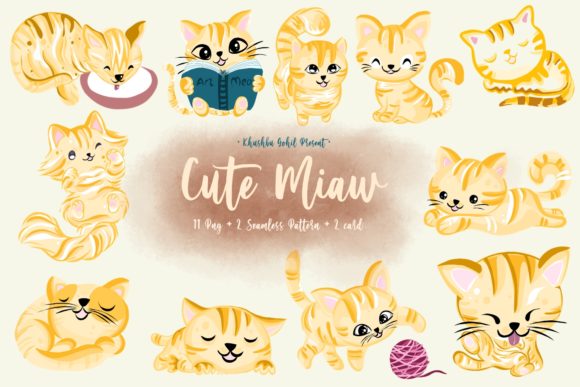
When you first load Cute Miaw into your digitizing software or view it as a graphic, the immediate takeaway is clarity. The shape is distinct, and the mood is undeniably playful without being childish. For an Illustrations category product, it strikes a balance between whimsical and clean, which is rare. The layout feels open, leaving enough negative space around the central figure to prevent the embroidery from looking cluttered or heavy.
The visual personality of the design suggests it belongs naturally to soft, tactile projects. It screams "personalized gift" and "handmade product." Whether you are a craft business owner preparing for holiday markets or an Etsy seller looking to expand your nursery decor line, the aesthetic fits seamlessly. It has a warmth that translates well to fiber arts, suggesting that it will look just as good stitched onto a tea towel as it does printed on a sticker.
Real-World Application: From Screen to Stitch
The true test of any machine embroidery design is how it behaves on different substrates. I tested Cute Miaw on a variety of materials to see how it holds up. On a cotton canvas tote bag, the design popped beautifully. The contrast between the thread and the fabric allowed the details to remain sharp, making it an excellent choice for a tote bag design that needs to be readable from a distance.
For smaller items, such as a baby onesie or a bib, the scale works well. The design is compact enough to fit comfortably within standard hoop sizes without requiring excessive trimming, yet detailed enough to feel substantial. When applied to a sweatshirt, the design adds a focal point that elevates the garment from basic to bespoke. It works particularly well for sweatshirt embroidery where a simple graphic can make a statement without overwhelming the texture of the fleece.
I also considered its use as a digital asset. Since the product description notes it is print-ready and transparent, it serves as a versatile digital embroidery file for mockups. You can place Cute Miaw on any background of your choice, making it incredibly useful for printable mockup creation. If you are selling digital products or need to preview designs for clients, this graphic saves hours of compositing time.
Where Caution Is Required
No design is perfect for every situation, and Cute Miaw has specific limitations that designers must respect. While it is charming, it is not a monolithic block of text or a highly complex scene. Therefore, it requires careful consideration regarding hoop size and fabric type.
- Small Hoops: If you attempt to reduce this design too much, fine details may merge together. Always check the minimum recommended hoop size before stitching. Tiny lettering or intricate corners might become muddy if scaled down beyond a certain threshold.
- Textured and Stretchy Fabrics: Avoid using this design on highly textured fabrics like chunky knits or thick towels unless you are experienced with stabilizers. The uneven surface can distort the stitch density, leading to puckering. Similarly, stretchy fabrics require a strong tear-away or cut-away stabilizer to keep the design flat.
- Dense Stitch Areas: While the design is likely balanced, areas with high fill stitch coverage can add weight to lightweight garments. Be cautious when applying this to thin fabrics or delicate baby clothes, as the stiffness from the thread could be uncomfortable against the skin.
- Dark Fabrics: Ensure your thread colors have sufficient contrast. On dark backgrounds, lighter threads may get lost, reducing the visual impact of the design.
Technical Considerations for the Professional
Before adding Cute Miaw to your commercial inventory, there are several technical steps you must take. First, always test the design on scrap fabric that matches the final product in weight and texture. This allows you to inspect small details and confirm that the applique design elements (if applicable) or satin stitches lay flat.
Review the stitch density closely. A design that looks good in vector form may have dense clusters that cause needle breaks or thread jams in production. If you notice tight areas, consider adjusting the underlay or splitting large fill areas to improve durability.
Furthermore, inspect the design in black and white mockups. This helps you evaluate the value structure and ensure that the composition remains clear even without color information. This is crucial for embroidered patch applications where color bleeding might occur during mass production.
Impact on Product Value and Brand Trust
Using a well-executed design like Cute Miaw directly impacts customer trust. In the world of Etsy seller and small shop product markets, buyers are discerning. They can tell the difference between a mass-produced transfer and a carefully embroidered piece. A clean, well-stitched design signals professionalism and attention to detail.
This design enhances brand consistency by providing a recognizable motif that can be repeated across various items—caps, aprons, pillow covers, and kitchen towels. When customers see the same charming character on multiple products, it creates a cohesive shopping experience. It also boosts giftability; the inherent cuteness of the design makes it an instant hit for birthdays, holidays, and weddings, driving higher engagement and sales for your craft business.
Final Verdict
Cute Miaw is a solid addition to any designer’s library, particularly for those focused on custom apparel, holiday embroidery, and commercial embroidery projects. Its versatility as both a physical embroidery file and a digital graphic asset makes it a high-value tool. However, success depends on proper execution: correct stabilizer usage, appropriate fabric selection, and thorough testing.
If you are ready to elevate your embroidery project game with a design that balances charm with practicality, Cute Miaw is worth the investment. Just remember to check the licensing terms before selling finished items or digital products, and always prioritize quality control to ensure your finished product reflects the care you put into its creation.